The Art of Creative Problem Solving: Stimulating Lateral Thinking and Decision Making through Games and Puzzles

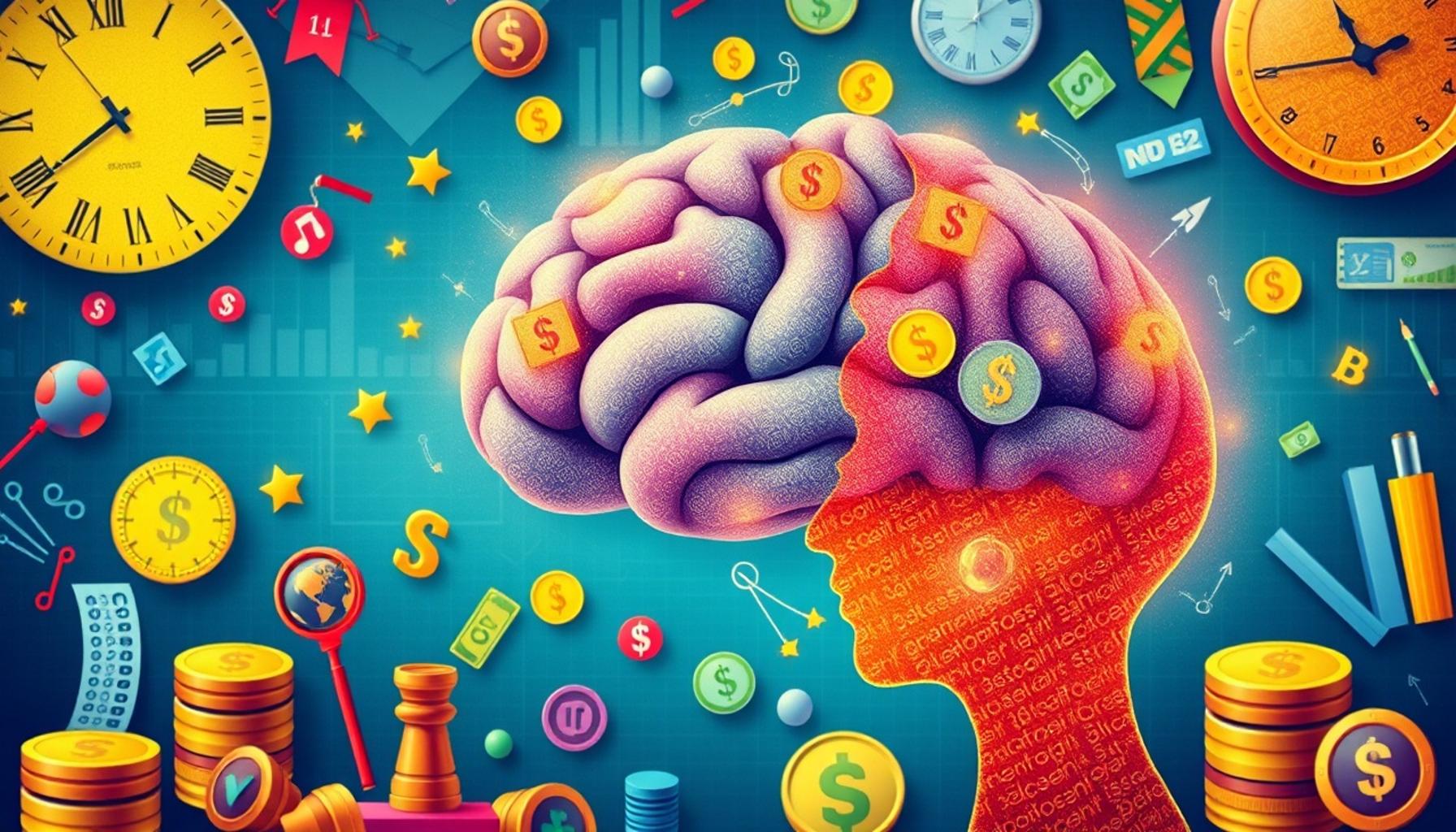
In a world increasingly driven by complexity, the ability to solve problems creatively has become a vital trait. Creative problem solving not only fosters innovation but also enhances decision-making skills. One of the most effective ways to sharpen these skills is through games and puzzles.
Why Games and Puzzles?
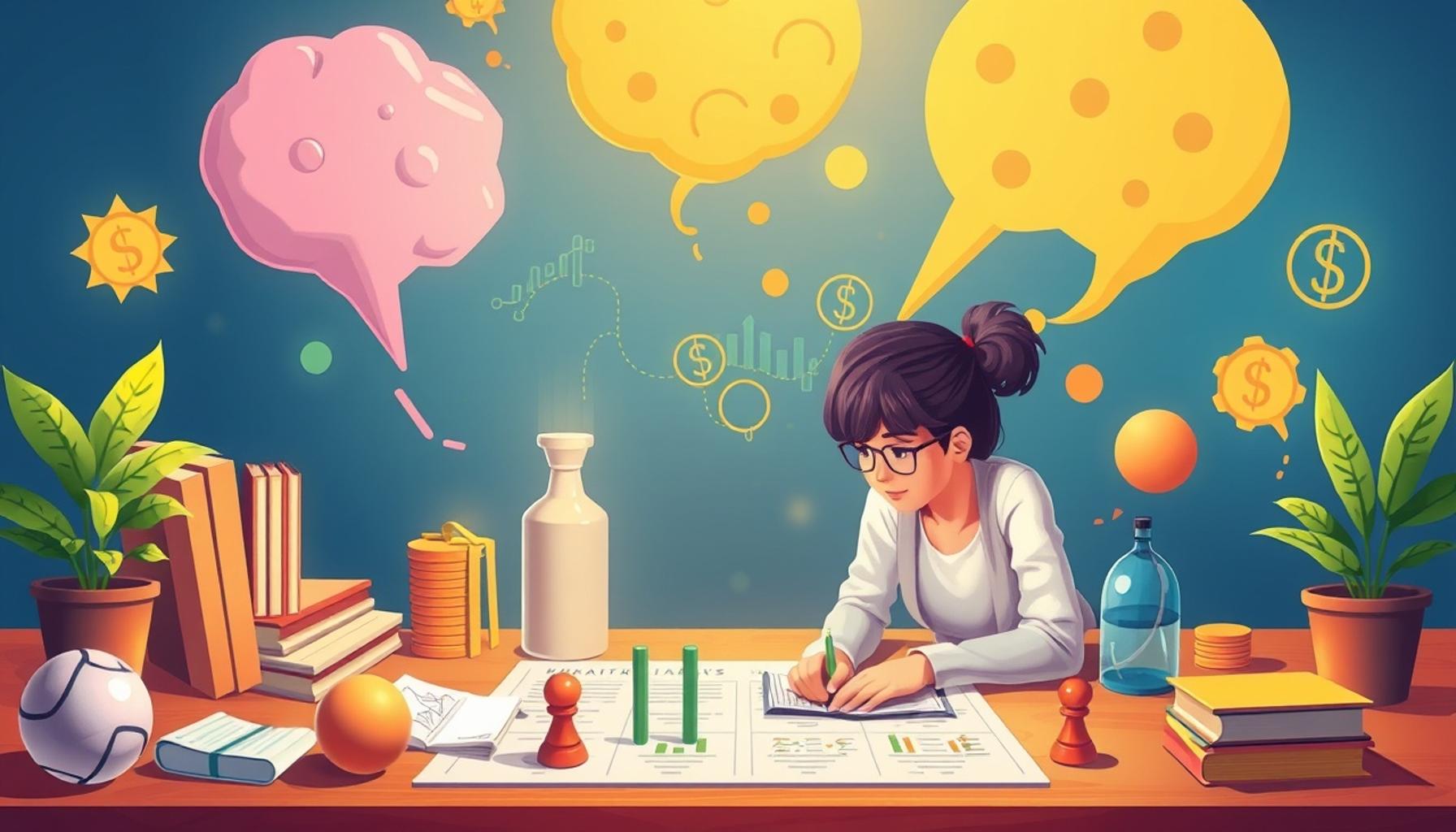
Engaging with puzzles and games stimulates lateral thinking, allowing individuals to approach problems from unexpected angles. By working through challenges typically presented in these playful formats, players are pushed to think outside the box. Consider the following benefits:
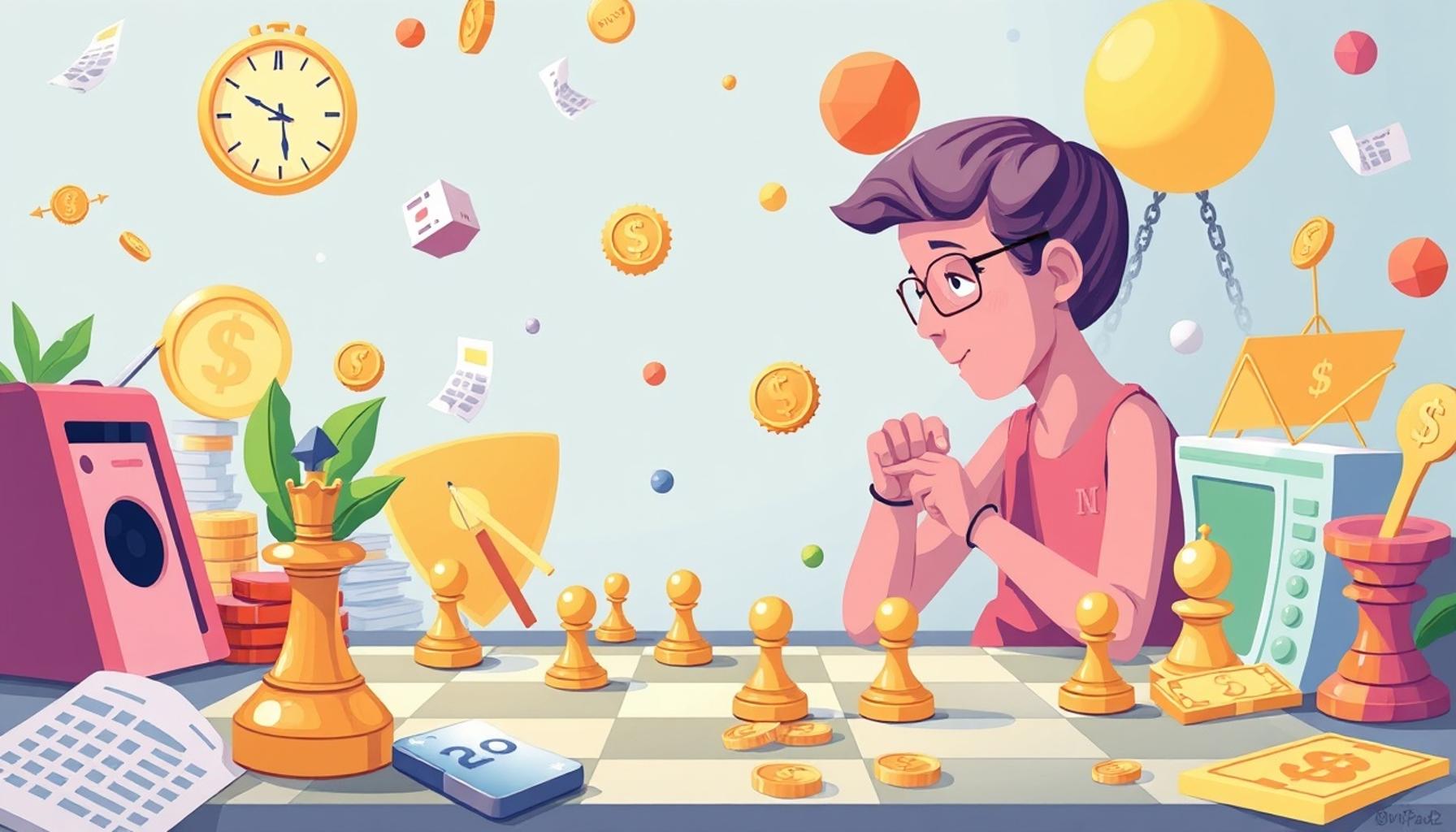
- Enhances cognitive flexibility: Games like chess require players to adapt their strategies based on their opponent’s moves, promoting an agile mindset.
- Encourages collaboration when played in groups: Team-based games foster communication skills as players must share ideas and negotiate solutions to succeed.
- Strengthens memory and concentration: Many puzzles, such as memory games, require intensive focus, helping to develop these critical cognitive skills over time.
In Nigeria, traditional games such as Oware, a strategic board game, challenge players to think critically and develop tactical skills. Modern puzzles like Sudoku are gaining popularity, offering a mix of logic and number skills that appeal to younger audiences. Beyond individual play, these activities foster not only personal growth but also community interaction, making them integral to cultural exchange and education.
The role of games in developing creativity extends to educational settings where teachers are incorporating playful exercises into their lessons. For example, schools may host friendly competitions using board games or problem-solving challenges that motivate students to work together and share their thought processes, thus enhancing the learning experience.
The Bigger Picture
As we delve deeper into the world of games and puzzles, we uncover their potential to reshape our decision-making processes. From children honing their skills in schools to adults facing challenges in the workplace, the art of creative problem solving extends across all demographics. In the Nigerian context, we observe how local entrepreneurs are increasingly engaging in brainstorming sessions that reflect game mechanics, such as role-playing exercises, to uncover innovative business solutions. This synergy between play and productivity demonstrates that the benefits of games extend well beyond mere entertainment.
Join us as we explore innovative methods to harness the power of play in fostering effective decision-making. Recognizing the value of both traditional games and modern puzzles offers a pathway to enhanced creativity, ensuring that players emerge not just as better problem solvers, but as individuals more equipped to navigate the complexities of life.
LEARN MORE: This related article may interest you
Unlocking Creative Potential through Play
Games and puzzles act as powerful tools for enhancing creative problem solving. They provide a unique environment where the pressure of real-life consequences is diminished, allowing individuals to explore possibilities without fear of failure. This freedom to experiment is fundamental to developing lateral thinking—the ability to connect seemingly unrelated concepts and develop innovative solutions.
One key aspect of games and puzzles is their inherent structure, which often requires strategic planning, critical analysis, and quick decision-making. By immersing oneself in these activities, individuals can cultivate essential skills that contribute to better judgment and creative thought. For instance, traditional Nigerian games such as Ludu and Damii not only engage players socially but challenge their strategic thinking. Modern adaptations, such as mobile puzzle games, also serve the same purpose, engaging a broader demographic that thrives on modern technology.
The cognitive benefits of engaging with games extend to various areas, including:
- Problem Identification: Players learn to identify problems in gameplay, which has a direct correlation to recognizing issues in real-world scenarios.
- Pattern Recognition: Games often involve recognizing and predicting patterns, providing critical insights that can be applied in different contexts, such as business or personal challenges.
- Enhanced Focus: The immersive nature of puzzles and games demands attention and concentration, improving players’ ability to focus on tasks outside of the gaming environment.
Culturally, the embrace of games has substantial implications. In Nigeria, local communities are seeing an increase in puzzle competitions and game nights, where friends and families gather to strategize and compete. This not only strengthens interpersonal ties but also fosters a culture of creativity in problem-solving among participants. Additionally, various studies have shown that groups engaged in cooperative gaming are more inclined to devise unique solutions to challenges they may face in daily life.
As schools begin to recognize the importance of integrating play into learning, educators are increasingly adopting game-based methodologies. Tools like word games, critical thinking challenges, and collaborative tasks serve to enrich the learning experience. Teachers are now able to witness students not only grasping core concepts but also honing essential problem-solving skills that extend well beyond the classroom walls.
Incorporating games and puzzles into our routines can lead to profound effects on both personal and professional levels. For entrepreneurs, developing innovative strategies through game mechanics can pave the way for groundbreaking ideas. This adaptability can set individuals apart in a world where conventional thinking is becoming obsolete, highlighting the vital role of creative problem solving.
| Advantages | Key Features |
|---|---|
| Enhanced Creativity | Games and puzzles encourage out-of-the-box thinking, pushing individuals to explore unconventional ideas. |
| Improved Decision Making | Playing strategy-based games cultivates analytical skills, allowing players to evaluate options more effectively. |
Stimulating lateral thinking through interactive sessions can lead to numerous benefits, particularly in educational or corporate settings. Engaging in games and puzzles creates a dynamic environment that fosters collaboration and communication, essential elements in the modern workplace. By facilitating teamwork, these activities ignite a spark of creativity that enhances problem-solving abilities.Moreover, the unpredictability and challenge of games often simulate real-life scenarios, preparing individuals to tackle challenges with resilience and poise. Developing skills in such a playful manner not only enhances cognitive abilities but also makes learning enjoyable. As such, integrating games into training agendas can significantly impact professional growth and personal development.This approach to creative problem solving emphasizes the importance of a holistic learning environment, one that values diverse perspectives. As curiosity is piqued through engaging activities, individuals are likely to question existing methodologies, leading to innovative solutions previously unconsidered.
LEARN MORE: This related article may interest you
Fostering a Culture of Innovation through Collaborative Play
In the realm of creative problem solving, the significance of collaboration cannot be overstated. Engaging in multiplayer games and cooperative puzzles encourages individuals to work together toward a common goal, thereby enhancing their collective lateral thinking abilities. Beyond mere entertainment, these activities can serve as a catalyst for innovative ideas and solutions. In Nigerian communities, group games like Ayo and team-based quizzes not only provide enjoyment but enrich participants’ understanding of teamwork dynamics and diverse viewpoints.
One notable contribution of collaborative gaming is its role in promoting effective communication. During multiplayer sessions, players must articulate their thoughts clearly and listen actively to their teammates. This interplay hones the ability to convey and receive information efficiently, skills that are crucial in both personal and professional contexts. Research shows that teams that engage in such collaborative exercises exhibit increased productivity and are also more inclined to tackle real-life challenges creatively.
Moreover, the use of games in professional development settings is gaining traction. Workshops increasingly incorporate game elements to simulate complex scenarios that require quick thinking and teamwork. For example, organizations in Nigeria have begun implementing problem-solving workshops where participants navigate through gaming simulations that mirror their work realities. This approach not only fosters a supportive environment for sharing ideas but encourages individuals to think critically while managing the pressures of time and competition.
Beyond conventional games, brain teasers and logic puzzles are also proving to be beneficial. These types of challenges stimulate cognitive functions by prompting players to devise solutions using indirect approaches. Games such as chess and Sudoku require analytical skills that mirror various aspects of business strategy and decision-making. A survey conducted in Nigerian universities revealed that students adept at solving puzzles scored higher on assessments related to critical thinking and problem analysis.
Nigeria’s vibrant culture of storytelling finds a unique intersection with puzzle-solving. Traditional narratives are sometimes turned into engaging puzzles where participants must decode information to reach an outcome. Through such storytelling games, not only are participants entertained, but they also enhance their ability to think outside the box and approach problems from different angles. This form of play imbues individuals with a sense of context—an essential factor when tackling complex societal issues.
In addition to fostering interpersonal skills, the introduction of games into routine activities instills a sense of resilience. Facing challenges within games prepares players to deal with failures constructively. Learning to pivot strategies upon losing or hitting a dead end enhances problem-solving capabilities outside the gaming sphere. Here in Nigeria, resilience is particularly vital, as many are faced with diverse challenges that require inventive solutions in the realms of education, business, and social development.
Through continuous engagement with games and puzzles, individuals can experience a shift in their mindset toward viewing challenges not as obstacles but as opportunities for innovation. As this culture of playful exploration grows, so does the potential for uncovering groundbreaking ideas that can lead to significant societal advancements in Nigeria and beyond. Thus, by integrating games and puzzles into our daily lives, we open the door to a new realm of opportunities in creative problem solving.
YOU MAY ALSO LIKE: Read read another article
Conclusion: The Future of Problem Solving through Play
In conclusion, the art of creative problem solving increasingly thrives within the realm of play and interaction. By actively participating in games and puzzles, individuals not only enhance their lateral thinking but also cultivate essential skills such as teamwork, communication, and resilience. The culture of collaborative play, particularly in Nigerian contexts, equips people with the capability to approach issues from diverse angles, making it an invaluable resource in addressing societal challenges.
The integration of games and puzzles into professional development opens up pathways to foster innovation, urging participants to think critically under pressure while drawing on their collective strengths. As organizations increasingly recognize the benefits of these engaging methods, the potential for groundbreaking solutions grows exponentially. Furthermore, the revival of traditional storytelling in the form of puzzles links cultural heritage with contemporary problem-solving, enriching the learning environment.
Ultimately, embracing these playful strategies paves the way not only for individual growth but also collective progress. As the demand for creative problem solvers arises in various sectors, including education, business, and community development, the emphasis on playful exploration becomes vital. By nurturing a culture that values games as a means of tackling complex problems, we harness the capacity to transform challenges into opportunities for innovation. Let us continue to explore these diverse methodologies, for they illuminate a promising future where creativity and collaboration converge to produce actionable, visionary solutions.

Inara
Beatriz Johnson is a seasoned pet care expert and writer with a passion for simplifying the complexities of pet ownership and animal well-being. With over a decade of experience in the field, she specializes in topics like pet nutrition, training techniques, and health care. Through her work on our website, Beatriz empowers pet owners to make informed decisions and provide the best possible care for their furry friends, ensuring happy and healthy lives for their beloved companions.