Cognitive Enhancements Through Puzzle Solving: Strategies for Mental Agility and Critical Thinking
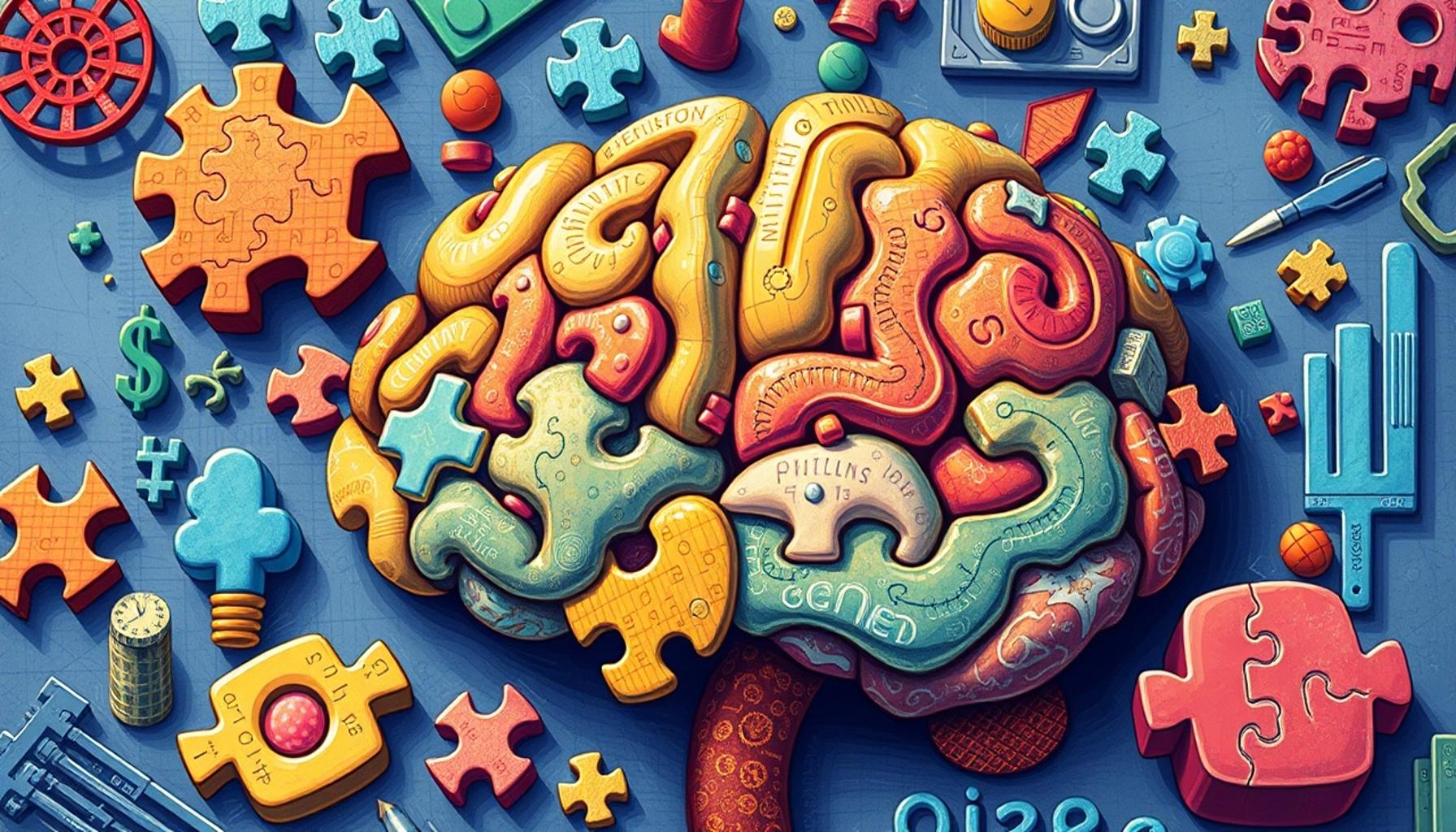
Unlocking the Mind: The Art of Puzzle Solving
In an age where mental fitness is as crucial as physical health, puzzle solving emerges as a remarkable tool for cognitive enhancement. Engaging in various puzzles not only offers entertainment but also sharpens our mental abilities. The question then arises: how can this activity lead to profound changes in our cognitive function?
The Benefits of Puzzles for Cognitive Development
Puzzles challenge our brains, fostering essential skills that are vital in today’s fast-paced world. Here are some key benefits:
- Improved Mental Agility: Quick thinking and adaptability are enhanced through regular puzzle-solving. Studies show that individuals who frequently engage in puzzles exhibit faster reaction times in everyday situations. Games such as chess or speed-based crossword puzzles encourage players to make split-second decisions, thereby honing their cognitive flexibility.
- Boosted Critical Thinking: Complex puzzles require evaluating options and making informed decisions. When you work on intricate logic puzzles or strategy games like Ludo, you are forced to navigate through various scenarios, teaching you to weigh risks against rewards. This skill is transferable to real-life situations, such as making financial decisions or resolving conflicts.
- Memory Enhancement: Solving puzzles can aid in memory retention and recall. Engaging in activities like word searches or memorizing patterns can lead to better memory performance. For instance, studies have indicated that seniors who regularly engage in puzzle-solving activities can preserve their cognitive functions longer than those who do not.
Engaging with Puzzles
The beauty of puzzles lies in their versatility. From traditional jigsaw and crossword puzzles to modern Sudoku and logic games, there’s something for everyone. In Nigeria, local puzzles that incorporate cultural elements can resonate deeply with the community, making mental training both relatable and enjoyable. For example, puzzles that feature Nigerian landmarks or folklore can not only entertain but also educate, sparking interest in the nation’s rich history.
Moreover, community puzzle-solving events or competitive games can serve as wonderful avenues for social interaction, promoting teamwork and collaboration. Imagine a local festival where families come together to tackle large jigsaw puzzles depicting scenes from Nigerian life—this not only fosters a sense of belonging but also makes cognitive development a collective journey.
As we delve deeper into strategies for mental agility through puzzle-solving, we uncover not just the tricks to sharpen our brains but also the joyful experience of learning and growth. Investigating various puzzle types online or joining clubs can expand your horizons even further. Why not take the first step towards enhancing cognitive skills today? Whether you’re new to puzzles or a seasoned enthusiast, there has never been a better time to explore the wonderful world of brain games.
LEARN MORE: This related article may interest you
Strategies for Maximizing Cognitive Benefits through Puzzle Solving
To fully harness the cognitive enhancements offered by puzzle solving, it is essential to adopt purposeful strategies that promote mental agility and critical thinking. These strategies not only serve to make the activity enjoyable but also ensure that your brain reaps the maximum benefits from various types of puzzles. Here, we present a selection of effective methods to elevate your puzzle-solving experience:
- Set Specific Goals: Before diving into a puzzle, establish clear objectives. For instance, aim to solve a puzzle within a specific time frame or focus on improving your accuracy. Setting attainable goals can create a sense of accomplishment, motivating you to engage with more challenging puzzles over time.
- Diversify Puzzle Types: Rotate between different types of puzzles to stimulate various cognitive functions. Try combining traditional puzzles like jigsaw and crosswords with mathematical puzzles, logic grids, and even mobile gaming options that foster strategic thinking. This approach keeps your brain engaged and challenges different cognitive domains, thereby enhancing overall mental flexibility.
- Collaborate with Others: Engaging in group puzzle-solving can amplify cognitive benefits significantly. Collaborative efforts encourage discussion, communication, and varying perspectives on problem-solving techniques. Organize gatherings with friends or family, where participants tackle puzzles together, sharing insights and strategies. This not only fosters social interactions but elevates the joy of solving puzzles as a team.
- Reflect on the Process: After successfully completing a puzzle, take time to reflect on your thought process. Analyze the strategies that worked well and those that did not. Understanding your approach will enable you to develop more effective problem-solving skills, enhancing your capacity for critical thinking in future challenges.
- Utilize Apps and Online Platforms: The digital age offers numerous apps and online platforms specifically designed for puzzle lovers. Leverage technology by incorporating popular puzzle-solving apps into your routine. Many of these applications provide features such as timed challenges, ranking systems, and tutorials that can significantly improve your skills.
By integrating these strategies, individuals can refine their approach to puzzles while maximizing the cognitive benefits that accompany consistent engagement. The concept of playful learning, where brain training meets enjoyment, stimulates not just problem-solving skills but also creativity and innovation. In the Nigerian context, local visual puzzles that integrate cultural stories can further enhance engagement, inviting individuals to delve into their heritage while sharpening their minds.
Exploring these strategies creates opportunities for personal growth, fostering a stronger and agile mind that can navigate everyday challenges with increased confidence. As puzzle enthusiasts embark on their cognitive enhancement journey, they unlock the potential for both mental acuity and deeper connections within their communities.
Cognitive Enhancements Through Puzzle Solving: Strategies for Mental Agility and Critical Thinking
The relationship between puzzle solving and cognitive enhancement is profound. Engaging in puzzles can stimulate the brain, leading to improved mental agility and enhanced problem-solving skills. One can discover various types of puzzles—from crosswords to Sudoku, and even strategic board games—that activate different areas of the brain.
Research indicates that regular involvement in puzzles not only sharpens critical thinking but also boosts concentration and memory retention. When faced with a challenging puzzle, individuals are encouraged to adopt multiple strategies to arrive at a solution, fostering a dynamic way of thinking. This process inherently involves evaluating options, making decisions, and learning from mistakes—all essential components of effective critical thinking.
Moreover, puzzles stimulate dopamine production, which further enhances learning capabilities and encourages persistence. This biological reaction makes the act of solving puzzles both rewarding and beneficial in the long run. Engaging in puzzles can thus become a fun and simple way to boost cognitive flexibility while providing an enjoyable mental workout.
Let’s explore some of the advantages through an organized table highlighting the various aspects of puzzles that contribute to cognitive enhancement.
| Category | Advantages |
|---|---|
| Problem-Solving Skills | Enhances logical reasoning and analytic skills. |
| Mental Agility | Increases the brain’s ability to adapt and navigate complex tasks. |
By including puzzles in daily routines, one can experience marked improvements in both cognitive abilities and overall brain health. This simple yet powerful tool captivates users, urging them to delve deeper into the realms of critical thinking and mental agility.
YOU MAY ALSO LIKE: Read read another article
Incorporating Puzzles into Everyday Life for Continuous Learning
To truly reap the rewards of cognitive enhancement through puzzle solving, it is crucial to seamlessly integrate puzzles into your daily routine. Making puzzles a regular part of life not only helps maintain mental agility but also fosters a culture of critical thinking. Here are several practical insights to ensure you maximize the cognitive benefits of puzzles:
- Daily Puzzle Habits: Dedicate a specific time each day to solve puzzles. Whether it’s a crossword during breakfast or Sudoku on your lunch break, establishing a daily puzzle routine can create a habit that stimulates the mind consistently. Research shows that short bursts of mental exercise, even for 15 to 30 minutes, can significantly boost cognitive function over time.
- Utilize Local Media: In Nigeria, local newspapers and magazines often feature puzzles that reflect cultural nuances and popular themes. Engaging with these puzzles not only sharpens your problem-solving skills but also connects you with your heritage. This connection enhances your ability to think critically about context-specific challenges, reinforcing both cultural identity and cognitive growth.
- Create Your Own Puzzles: Challenge yourself to design your own puzzles. This activity enhances creativity and requires a higher level of critical thinking since you’ll need to consider how to make the puzzle challenging yet solvable. Whether designing a logic puzzle inspired by local folklore or crafting a math challenge based on community statistics, this method fosters original thinking while deepening your problem-solving skills.
- Incorporate Puzzles into Learning: Educators and trainers can utilize puzzles as effective teaching tools. By incorporating puzzles into workshops or classroom activities, instructors can facilitate an engaging and interactive learning environment. For instance, using riddles or logic puzzles can encourage students to collaborate, think critically, and apply concepts in a hands-on manner, promoting active engagement in learning.
- Engage in Competitive Puzzle Challenges: Participate in local puzzle competitions or online tournaments to elevate your problem-solving skills. These competitive settings not only foster a sense of community but also create an impetus for improving cognitive abilities under pressure. Whether it’s a timed crossword competition or a math series challenge, competitive environments have been shown to enhance focus and critical thinking.
The integration of puzzles into daily routines not only serves as a method for cognitive enhancement but also fosters a culture of learning and curiosity. In urban areas like Lagos or Abuja, where life can be fast-paced, embracing short puzzle-solving sessions can act as mental breaks, reducing stress while keeping the mind active. Furthermore, this practice encourages social interaction and collaboration, particularly in family settings or community groups, that reinforces bonds while nurturing cognitive development.
Through continued engagement with puzzles, individuals sharpen their reasoning, improve their problem-solving skills, and heighten their overall mental agility. This cognitive enrichment offers countless benefits that extend beyond the individual, nurturing a community of critical thinkers prepared to tackle complex challenges in various aspects of life.
ADDITIONAL INSIGHTS: Expand your understanding here
Conclusion
In essence, cognitive enhancements through puzzle solving offer not just a delightful pastime but a powerful strategy for fostering mental agility and honing critical thinking skills. As we have explored, integrating puzzles into daily routines provides a plethora of benefits that contribute to ongoing cognitive development. By embracing this practice, individuals can enhance their problem-solving abilities, cultivate creativity, and strengthen their reasoning capabilities.
This endeavor is particularly significant in the fast-paced environments of Nigeria’s urban centers, where quick thinking is vital for navigating life’s complexities. Emphasizing daily puzzle habits, leveraging local cultural contexts through media, and even creating personalized puzzles can create a rich tapestry of learning experiences. Furthermore, educators can harness the engaging nature of puzzles, transforming traditional learning environments into vibrant, interactive spaces.
Moreover, the competitive realm of puzzle-solving not only elevates individual skills but also fosters community spirit, promoting collaboration and teamwork. The ability to think critically and solve problems efficiently is paramount, not only for personal growth but for the advancement of society as a whole. As we continue to embrace the art of puzzle-solving, we pave the way for a brighter future filled with innovative thinkers ready to tackle the challenges that lie ahead.
In conclusion, the cognitive benefits derived from puzzles are profound and far-reaching. As you seek to enhance your mental agility, consider making puzzle-solving a thrilling part of your everyday life, transforming how you think, learn, and engage with the world around you.

Inara
Beatriz Johnson is a seasoned pet care expert and writer with a passion for simplifying the complexities of pet ownership and animal well-being. With over a decade of experience in the field, she specializes in topics like pet nutrition, training techniques, and health care. Through her work on our website, Beatriz empowers pet owners to make informed decisions and provide the best possible care for their furry friends, ensuring happy and healthy lives for their beloved companions.