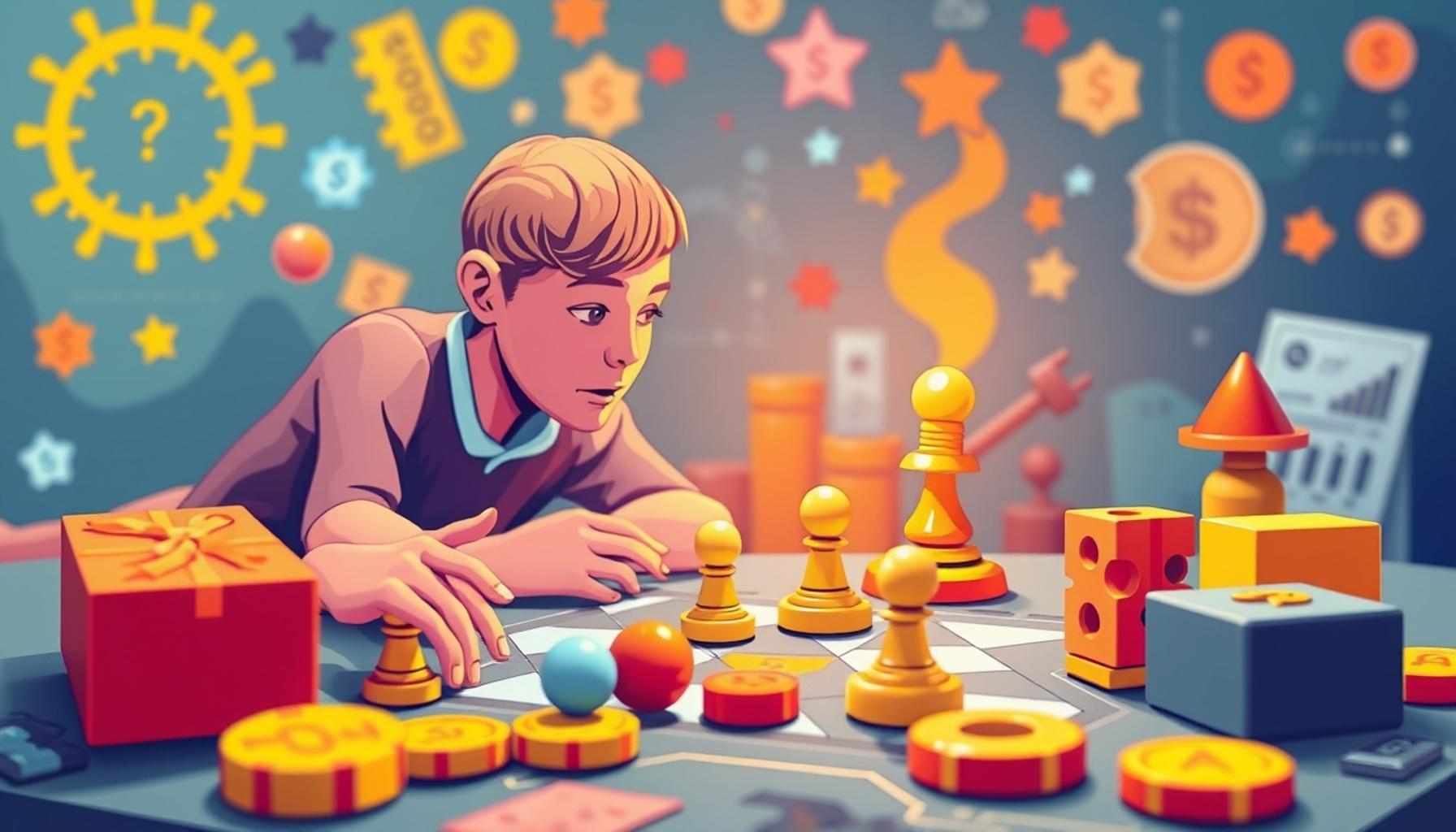
Cognitive Enhancements through Strategic Entertainment: Unlocking Mental Agility with Brain Games
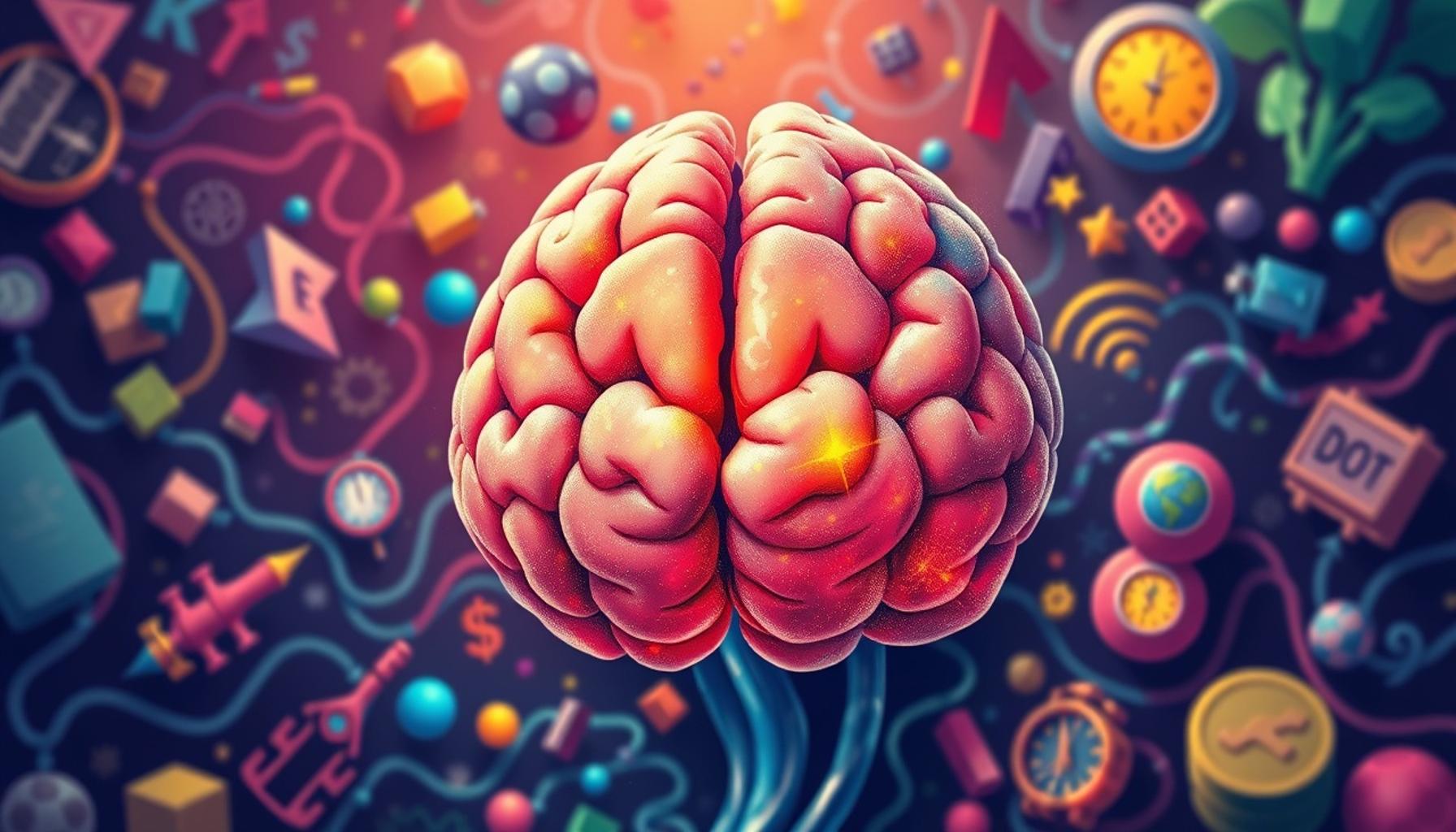
The Growing Importance of Cognitive Agility
As we navigate through the complexities of modern life, the significance of maintaining cognitive agility has become apparent. Individuals are increasingly seeking effective methods to bolster their mental acuity, leading to a rise in the popularity of brain games, a fascinating and innovative tool designed to enhance our mental capacities.
What Makes Brain Games Stand Out?
Brain games have captivated global attention for several compelling reasons:
- Engaging Gameplay: These games present a range of intriguing challenges that prompt players to think critically and strategically. From quizzes that test knowledge to interactive challenges that require quick thinking, these games turn cognitive exercise into enjoyable ventures.
- Variety of Formats: Brain games come in numerous forms, ranging from crossword puzzles and Sudoku to interactive memory challenges. This diversity allows them to cater to a broad audience, from students striving to improve their learning outcomes to adults seeking ways to maintain mental sharpness.
- Accessibility: With the majority of brain games available on mobile devices, they are easily accessible. For instance, a young student in Nigeria can download a game to practice mathematics or vocabulary skills during their commute, making learning a part of their daily routine.
The Cognitive Benefits of Brain Games
Participating regularly in these strategic forms of entertainment can yield significant improvements in various cognitive functions, which are vital for personal and professional success.
- Boosting Memory: Engaging with brain games helps enhance memory retention and recall. Research indicates that consistent practice can improve both short-term and long-term memory, making it easier to remember information crucial for academic and daily life.
- Enhancing Problem-Solving Skills: Players often encounter unique challenges that require creative solutions. By learning to think outside the box, individuals can translate these problem-solving skills into real-life scenarios, boosting their ability to tackle obstacles in professional settings.
- Improving Concentration: Many brain games are designed to help players enhance their focus and attention span. As players work through gamified tasks, they develop the ability to concentrate on specific tasks for extended periods, a skill that is invaluable in workplaces and academic environments.
The Future of Brain Games in Nigeria
Nigeria is witnessing a rapid embrace of digital entertainment, presenting a unique opportunity to integrate brain games into everyday life. The potential impact on the cognitive capabilities of the population can be transformative. For instance, educational institutions can incorporate these games into their curricula, leveraging technology to create interactive learning experiences that engage students more effectively.
As we continue to explore how strategic entertainment can enhance cognitive performance, the journey is just beginning. With increased awareness and investment in brain games, the pathway to unlocking a new dimension of mental fitness is clear, encouraging each individual to embark on their own journey of cognitive growth.
RECOMMENDED: Check out this similar article
Understanding the Mechanics of Brain Games
To truly appreciate the cognitive enhancements offered by brain games, it’s essential to delve into the mechanics that make these activities effective. These games are meticulously designed to stimulate various areas of the brain, engaging players in a way that fosters an increase in intellectual capabilities. The underlying structure of brain games often revolves around a few key principles:
- Adaptive Learning: Many brain games utilize algorithms that adapt to the player’s skill level, progressively increasing in difficulty as proficiency is achieved. This ensures that users are consistently challenged, pushing them to enhance their cognitive skills without feeling overwhelmed.
- Immediate Feedback: The design of brain games often incorporates instant feedback mechanisms that allow players to learn from their mistakes in real-time. This aspect not only sharpens their skills but also enhances motivation, as players see their progress almost immediately.
- Multi-Dimensional Engagement: Unlike traditional learning methods, brain games engage multiple cognitive functions simultaneously. They may require players to solve mathematical puzzles while recalling vocabulary or strategizing movements on a digital chessboard. This multi-tasking aspect helps hone various skills in conjunction, leading to holistic cognitive improvement.
The Role of Social Interaction in Enhancing Cognitive Skills
Another remarkable feature of brain games is the inclusion of social components. Many platforms allow for multiplayer or community interactions, which can significantly augment cognitive development through shared experiences. Here’s how:
- Collaboration and Competition: Engaging in friendly competitions with peers can elevate the stakes of brain games, driving players to beat their previous scores or top leaderboards. This sense of competition can enthuse learners to push themselves further while collaborating with others provides an opportunity to share strategies and tips.
- Community Support: Online forums and groups dedicated to brain games foster a sense of belonging, encouraging players to share challenges and successes alike. The social element allows for the exchange of methods and resources that further enhance the learning experience, making cognitive development a collective journey.
Potential Concerns and Considerations
Despite their multitude of benefits, it’s important to approach brain games with a balanced perspective. Concerns regarding screen time among children and young adults are valid, particularly in Nigeria, where educational frameworks are already grappling with technological integration. It is essential for parents and educators to monitor gameplay and encourage moderation, ensuring that brain games are viewed as a complement to traditional learning rather than a replacement.
As Nigeria embraces digital literacy and the type of entertainment that comes with it, the convergence of education and entertainment through brain games is likely to play a crucial role. The ongoing dialogue about how to implement these games effectively within educational institutions is vital for shaping a brighter cognitive future.
| Advantages | Impact on Mental Agility |
|---|---|
| Improved Memory Retention | Activities such as puzzles enhance short- and long-term memory by requiring the brain to recall patterns and strategies. |
| Enhanced Problem-Solving Skills | Brain games encourage creative thinking and the use of alternative strategies, making individuals better equipped to tackle real-life challenges. |
| Increased Focus and Concentration | Engaging in complex tasks requires sustained attention, improving overall concentration levels and reducing distractions. |
| Boosted Cognitive Flexibility | Playing various genres of strategic games allows players to adapt to new rules and changes quickly, enhancing cognitive flexibility. |
The insights into cognitive enhancements through brain games reveal the fascinating interplay between entertainment and mental development. As players engage with fun, strategic challenges, they inadvertently sharpen their minds, unlocking a world of enhanced mental agility. These games serve as tools that not only provide enjoyment but also offer profound benefits that contribute to a sharper and more adaptable mind for everyday tasks. As interest in cognitive health continues to rise, exploring the myriad benefits of these games becomes essential for anyone seeking to nurture their mental prowess.
CHECK OUT: Click here to explore more
The Science Behind Cognitive Enhancements
The effectiveness of brain games in enhancing cognitive function is supported by various scientific studies that underline their potential benefits. Recent research has demonstrated that engaging in these strategic entertainment activities can lead to a measurable improvement in cognitive agility. Some notable findings include:
- Neuroplasticity: Brain games promote neuroplasticity, the brain’s ability to reorganize itself by forming new neural connections. Research indicates that regular engagement in cognitive challenges can stimulate brain areas responsible for memory, problem-solving, and attention, ultimately leading to improved overall mental function.
- Age-related Benefits: A study published in the journal Psychological Science found that older adults who regularly participated in brain training exercises experienced a reduction in cognitive decline. These findings are particularly relevant in Nigerian communities where there is a growing elderly population, highlighting the need for accessible cognitive engagement tools.
- Transferable Skills: Cognitive improvements gained from playing brain games have been shown to transfer to everyday tasks. Players often report enhanced problem-solving skills and better decision-making abilities in their personal and professional lives, demonstrating that brain games extend their benefits beyond the digital realm.
Choosing the Right Brain Games for Maximum Impact
With the myriad of brain games available, selecting the right ones can significantly influence the cognitive enhancement journey. Here are some considerations for Nigerians looking to unlock their mental agility:
- Targeted Skill Development: It’s crucial to identify areas of cognitive function that one wishes to improve, such as memory, concentration, or analytical skills. Games like Lumosity or Peak offer tailored exercises that focus on specific cognitive domains, allowing individuals to create more personalized training regimens.
- Accessibility: Accessibility is a significant consideration, especially for users in regions with varying internet speeds or resources. Opting for offline brain games or applications is a practical choice. Many gamified cognitive training programs incorporate offline modes, connecting the offline population to the benefits of strategic entertainment.
- Engagement Factors: Engaging games keep players motivated and encourage consistent participation. Look for games with rich graphics, captivating storylines, and community-oriented features. This ensures that users remain invested in their cognitive training, making brain games a fun and integral part of their routine.
The Future of Cognitive Enhancement Through Entertainment
As technology continues to evolve, the future of cognitive enhancement through strategic entertainment appears promising. Virtual reality (VR) and augmented reality (AR) are emerging as innovative tools that can offer immersive cognitive training experiences. These technologies have the potential to provide real-world scenarios for brain games, allowing players to practice their skills in safe, virtual environments.
Furthermore, with Nigeria’s increasing youth population and the integration of technology in classrooms, brain games can serve as a bridge between play and learning. This fusion has the potential to empower young learners, turning cognitive training into an enjoyable and effective part of education. By fostering a culture that embraces brain games, Nigeria can pave the way for a mentally agile generation capable of addressing future challenges.
RECOMMENDED: Check out this similar article
Conclusion: Embracing Cognitive Enhancements through Strategic Entertainment
As we have explored the fascinating world of brain games and their role in cognitive enhancements, it becomes evident that these strategic entertainment tools are not just pastimes; they are pathways to unlocking mental agility. By engaging regularly in these stimulating activities, individuals can experience significant improvements in various cognitive functions such as memory, concentration, and problem-solving skills, which are crucial in today’s fast-paced environment.
For the Nigerian populace, the appeal of brain games extends beyond mere entertainment; it signifies an opportunity for personal and societal growth. With the rising elderly population and a burgeoning youth demographic, facilitating access to brain training resources can help combat age-related cognitive decline while fostering skills essential for the younger generation. The integration of brain games into educational curricula could transform learning into a more interactive and enjoyable experience, empowering students to tackle real-world challenges with confidence.
Looking ahead, as technology advances with tools like virtual reality and augmented reality, the potential for cognitive enhancement will only grow. These innovations can immerse users in realistic environments, creating impactful training experiences that blend learning and play. Embracing this approach could lead Nigeria into a new era where cognitive development is prioritized, enhancing not just individual skills but also the collective capability of the nation.
In conclusion, engaging with brain games offers a unique and compelling way to enhance cognitive abilities. It is an invitation for all Nigerians to explore this enriching avenue of strategic entertainment, ensuring the journey towards better mental agility is both enjoyable and fruitful.

Inara
Beatriz Johnson is a seasoned pet care expert and writer with a passion for simplifying the complexities of pet ownership and animal well-being. With over a decade of experience in the field, she specializes in topics like pet nutrition, training techniques, and health care. Through her work on our website, Beatriz empowers pet owners to make informed decisions and provide the best possible care for their furry friends, ensuring happy and healthy lives for their beloved companions.