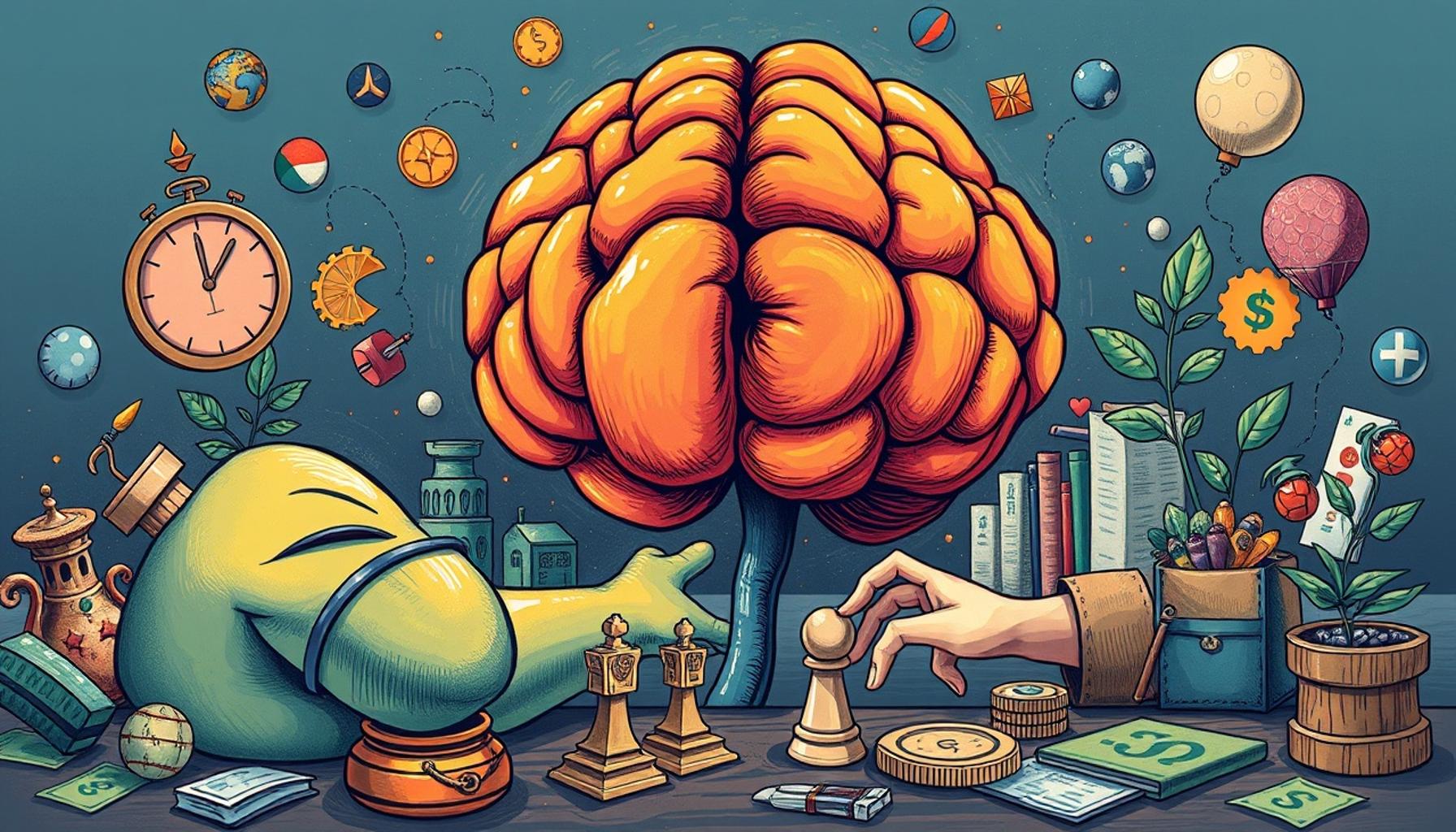
Innovative Thinking and Cognitive Development: How Strategy Games Foster Creative Problem Solving

Unleashing the Mind’s Potential
In today’s fast-paced world, the ability to think innovatively is more crucial than ever. Strategy games have emerged as a powerful tool for enhancing cognitive development and fostering creative problem solving. These games not only entertain but also sharpen mental acuity, making them valuable in educational settings.
The Power of Strategy Games
Engaging with strategy games can lead to numerous benefits, including:
- Enhanced critical thinking: Players learn to analyze situations and make informed decisions. For instance, games like chess require not only immediate tactical moves but also long-term planning, forcing players to think several steps ahead.
- Improved memory: Many games, such as card games and puzzle games, require players to remember rules and strategies. The necessity to keep track of cards or moves made by opponents enhances memory retention significantly.
- Increased adaptability: Games often involve changing scenarios, pushing players to adjust quickly. For example, in dynamic role-playing games, players must adapt their strategies based on unforeseen challenges, enhancing their ability to think on their feet.
Local Relevance
In Nigeria, where innovation is vital for economic growth, leveraging these games can be transformative. Many young minds can benefit from:
- Team strategy games: These games promote collaboration among peers, which is essential in a community-oriented society. Team sports such as football adapt concepts seen in strategy games by emphasizing unity and joint tactical planning.
- Cultural games: Integrating local themes can enrich the gaming experience while enhancing problem-solving skills. Traditional Nigerian games like ‘Ayo’ or ‘Ludu’ offer cultural context and encourage logical reasoning, allowing players to engage with their heritage while developing their cognitive abilities.
- Online platforms: Digital strategy games enable Nigerian players to connect with global counterparts, broadening their perspectives and exposing them to diverse strategies. This international interaction can inspire innovative thinking applicable in local contexts.
As we explore the relationship between strategy games and innovative thinking, it becomes clear that these activities unlock cognitive potential and prepare individuals for the complexities of the modern world. The nuances of strategy and decision-making learned through these games are not just for leisure—they serve as critical skills in business, education, and everyday life. As Nigeria continues to advance technologically and economically, harnessing the mind’s potential through strategic gaming can yield enriching outcomes for individuals and society alike.
CHECK OUT: Click here to explore more
Igniting Imagination Through Gameplay
At the core of innovative thinking lies the ability to view challenges from multiple perspectives. Strategy games serve as a unique platform where players can engage in complex problem-solving scenarios, fostering both intellectual growth and creativity. These games require individuals to formulate strategies, make split-second decisions, and consider the consequences of their actions, which are essential skills in today’s rapidly evolving environment.
Cognitive Benefits of Strategy Games
The brain’s capacity to innovate and solve problems can be significantly enhanced through regular engagement with strategy games. Here are some cognitive benefits that stand out:
- Problem-solving skills: The very essence of strategy games is centered on overcoming obstacles. Players often encounter multifaceted problems that require them to think outside the box and devise clever solutions. This skill translates into real-world scenarios, where unconventional thinking can lead to breakthroughs in various fields.
- Logical reasoning: Many strategy games emphasize the importance of logic and reason. Whether it’s predicting an opponent’s next move in chess or determining the best course of action in a turn-based game, enhancing logical reasoning helps players improve their analytical skills and make rational decisions.
- Emotional intelligence: Strategy games often involve an understanding of others’ motivations and emotions. Players must read their opponents and teammates alike, which cultivates emotional intelligence—a critical component in collaborative environments and interpersonal communications.
Fostering a Culture of Innovation in Nigeria
In Nigeria, where innovation is essential for national progress, integrating strategy games into educational and social frameworks could significantly impact younger generations. Schools and community centers can utilize strategy games not just as a form of entertainment, but as a means to:
- Encourage creativity: By engaging in games that challenge conventional wisdom, students can learn to think creatively. Games such as Scrabble or Monopoly teach resource management and lateral thinking, skills that are invaluable in business development and entrepreneurship.
- Promote STEM learning: Many strategy games involve elements of mathematics and science, making them a fun way to approach these subjects. Incorporating games that require calculation and logic can stimulate interest in STEM fields, vital for Nigeria’s future technological advancement.
- Build resilience: Players often face defeats and setbacks during games. Learning to cope with failure in a playful environment builds psychological resilience, empowering youth to tackle real-life challenges with determination and persistence.
The intersection of strategy games and cognitive development holds significant potential, especially in a nation striving for growth and innovation. By embracing these games, Nigeria can cultivate a new generation of problem solvers equipped to face the complexities of an ever-changing world, ultimately driving the country toward a brighter, more innovative future.
How Strategy Games Enhance Creative Problem Solving
Strategy games, ranging from classic board games to complex video games, have become a powerful tool in enhancing innovative thinking and cognitive development. They engage players in situations where they must think critically, solve complex problems, and adapt to ever-changing scenarios. Through these interactive platforms, players are frequently faced with innovative challenges that require them to devise unique strategies and original solutions, ultimately fostering their creative problem-solving skills.Players often encounter obstacles that necessitate a deep analysis of potential outcomes. This reflective process encourages them to consider various perspectives, thereby expanding their cognitive horizons. For example, games like chess or Settlers of Catan require not only strategic planning but also an understanding of opponent behavior and predicting future moves. This multifaceted approach to problem-solving nurtures skills that are transferable to real-world scenarios.Additionally, teamwork-based strategy games further cultivate collaborative problem-solving skills. Players must work together, sharing ideas and brainstorming solutions, which mimics real-life teamwork dynamics in professional and social settings. These experiences teach valuable communication and conflict-resolution skills, which are essential for innovative thinking.Lastly, as players navigate various strategies and face the consequences of their decisions, they develop resilience and adaptability—key attributes of innovative thinkers. They learn that failure is often a stepping stone to success, fostering an environment where creativity can thrive. As evidenced, strategy games provide a unique platform to hone abilities essential for tackling today’s complex challenges, making them invaluable tools for cognitive and creative development.
| Category 1 | Category 2 |
|---|---|
| Problem-Solving Techniques | Utilizes critical thinking and strategic planning to tackle challenges. |
| Collaboration | Fosters teamwork and communication, enhancing group innovation. |
By engaging with strategy games, individuals sharpen their cognitive tools and prepare themselves for the demands of innovation-driven environments. This blend of fun and educational value presents a compelling case for the inclusion of such games in both learning and professional development settings.
CHECK OUT: Click here to explore more
Unlocking Potential Through Strategic Play
In addition to enhancing cognitive capabilities, strategy games also ignite innovative thinking by allowing players to explore and utilize various approaches to problem-solving. This flexibility in thought encourages players not only to consider immediate outcomes but also to envision future possibilities and scenarios. The choice and consequence dynamics present in these games mirror real-life decision-making environments, especially in a country like Nigeria, where unique challenges such as economic obstacles and infrastructural limitations prevail.
Strategic Thinking and Future Skills
Modern society requires a workforce that embodies creative problem solving alongside traditional academic prowess. Engaging with strategy games inoculates players against the monotony of conventional thinking. Notable skills fostered through strategic play include:
- Adaptive thinking: Players must pivot their strategies based on opponents’ movements or unexpected changes in the game environment. This adaptability is crucial in real-world situations where quick adjustments may be necessary to overcome obstacles, making it highly relevant in Nigeria’s dynamic landscape.
- Collaborative skills: Many strategy games rely on team dynamics, promoting cooperation and communication. As players negotiate, strategize, and execute plans with others, they enhance their ability to collaborate effectively—a vital skill in Nigeria’s burgeoning tech startups and corporate sectors.
- Critical evaluation: Players are often placed in positions where they must evaluate the effectiveness of their strategies post-game. This self-reflection cultivates critical evaluation skills that help individuals assess outcomes in their careers or personal projects, fostering a growth mindset.
The Role of Gamification in Education
In response to the need for innovative thinkers, educational institutions in Nigeria can leverage strategy games as a key component of the learning curriculum. Gamification, or the application of game-like elements in a non-game context, can transform traditional educational methods. Schools are beginning to understand that classrooms can become dynamic environments where creative problem solving flourishes. Here’s how:
- Engagement: By incorporating strategy games into lesson plans, educators can create an interactive learning experience, capturing students’ attention and stimulating interest in subjects like mathematics, science, and history.
- Collaborative projects: Assigning group projects where students must strategize collectively encourages them to navigate ideas that are often multi-faceted. This collaboration nurtures patience and understanding among peers, essential traits in a diverse country like Nigeria.
- Real-world application: Game scenarios can mimic real-life problems faced by individuals in Nigeria, allowing students to brainstorm solutions in a contained setting. This practice can empower students to tackle real-world challenges with confidence and innovative thinking.
As Nigeria moves toward a future defined by technology and globalization, the role of strategy games in promoting cognitive development and innovative thinking becomes increasingly critical. By adopting these practices, talented and creative thinkers can emerge, ready to contribute to a vibrant economy and society.
SEE ALSO: Click here to read another article
Embracing the Future Through Strategic Engagement
In conclusion, the intersection of innovative thinking and cognitive development through strategy games serves as a compelling blueprint for nurturing problem-solving skills essential for Nigeria’s development. The dynamic nature of these games, which demand adaptive thinking, collaboration, and critical evaluation, aligns perfectly with the skills required in today’s fast-paced, technology-driven world. As students engage with complex scenarios, they not only sharpen their analytical abilities but also cultivate a mindset ready to tackle the multifaceted challenges that permeate their environment.
The integration of strategy games into educational systems poses a transformative opportunity, allowing educators to create environments where creative problem solving thrives. By gamifying educational content, teachers can foster engagement and collaboration among students, nurturing a generation equipped with the resilience and ingenuity necessary for a competitive future. This approach not only keeps learners engrossed but also prepares them to navigate the complexities of the real world—particularly in a diverse society like Nigeria.
As stakeholders in education, business, and government recognize the potential of strategy games, a collective push towards adopting these tools could yield remarkable innovations across various sectors. The challenge now lies in embracing this vibrant medium, harnessing its power to build a culture of creativity and strategic thinking. As we foster these skills, we unlock not just individuals’ potential but also the promise of a thriving, innovative Nigerian economy ready to take on the global stage.

Inara
Beatriz Johnson is a seasoned pet care expert and writer with a passion for simplifying the complexities of pet ownership and animal well-being. With over a decade of experience in the field, she specializes in topics like pet nutrition, training techniques, and health care. Through her work on our website, Beatriz empowers pet owners to make informed decisions and provide the best possible care for their furry friends, ensuring happy and healthy lives for their beloved companions.