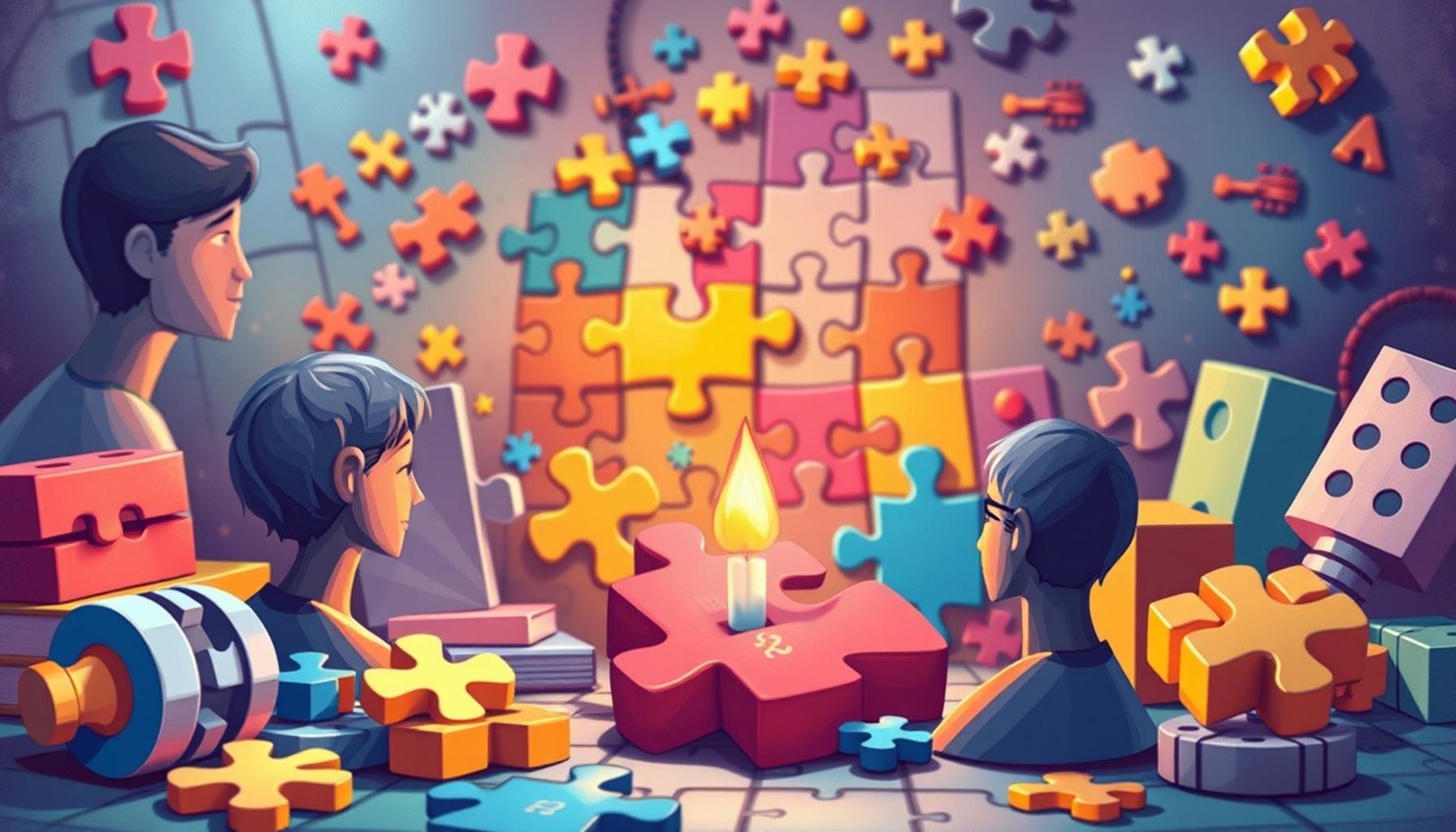
The Role of Problem-Solving Skills in Strategic Entertainment: Enhancing Critical Thinking through Puzzles
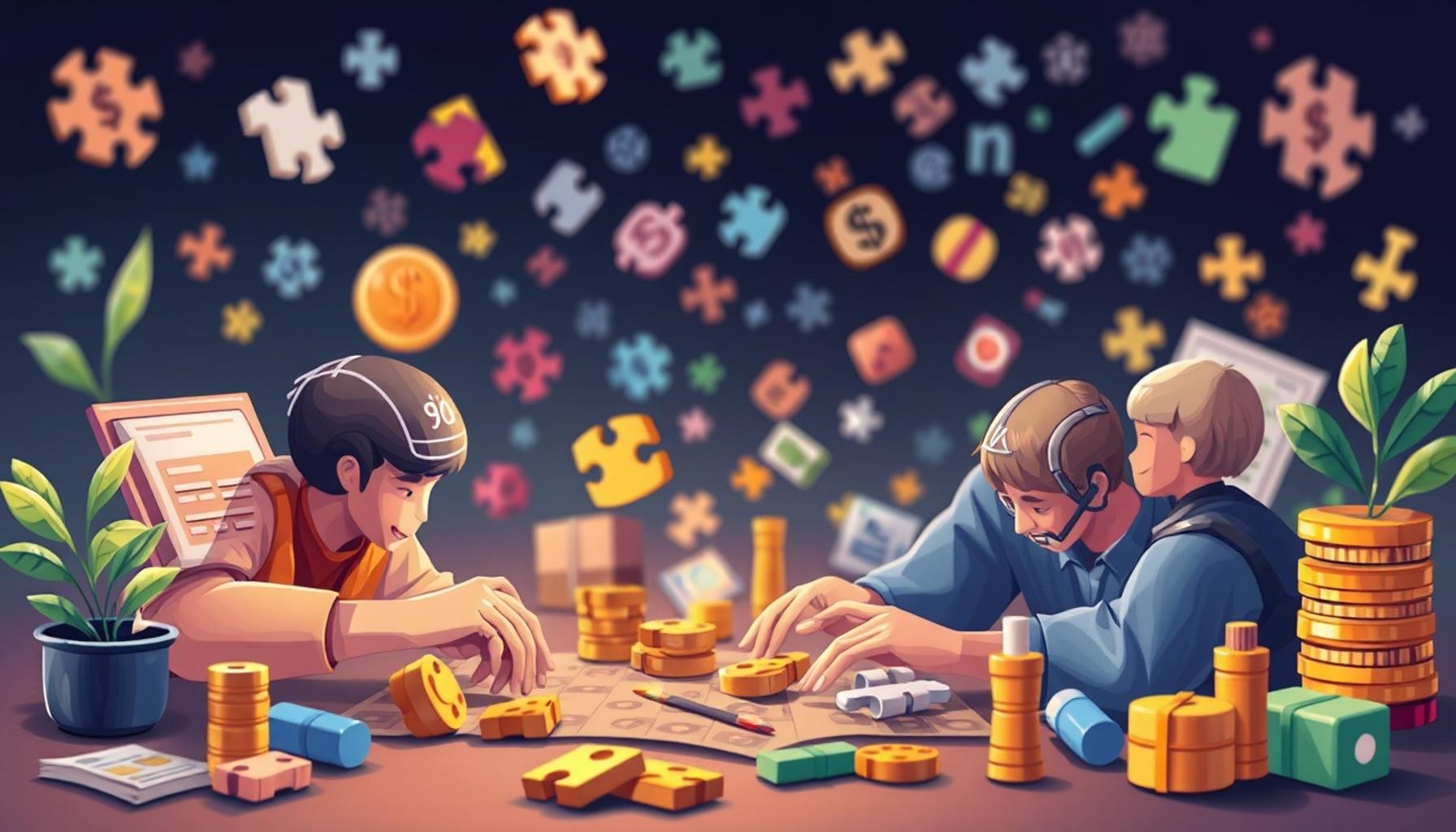
The Power of Problem-Solving in Strategic Entertainment
In a rapidly changing digital world, engaging with activities that promote problem-solving skills has become increasingly essential. Puzzles and games, once relegated to downtime distraction, now hold the potential to develop critical thinking and strategic capabilities. They transform entertainment into a mental exercise that not only captivates but also cultivates a sharper mind.
Why Focus on Puzzles?
Puzzles, whether they are crosswords, Sudoku, logic riddles, or jigsaw puzzles, are far more than mere pastimes; they provide cognitive benefits that can significantly enhance one’s approach to problem-solving in real life. Consider the following advantages:
- Enhancement of Critical Thinking: Puzzles require a systematic method of analysis and decision-making. As players identify patterns, make predictions, and test solutions, they cultivate a critical mindset that is invaluable in everyday challenges.
- Boosting Creativity: Each puzzle presents unique challenges that stimulate innovative thinking. For instance, a complex riddle might prompt one to think outside the box, providing a fresh perspective that could be applied in various life scenarios.
- Social Interaction: Many puzzles are designed for groups, encouraging teamwork. Collaborative games like escape rooms or trivia nights not only strengthen relationships but also foster a deepened appreciation for collective problem-solving.
Puzzles in Nigeria’s Context
In Nigeria, traditional games such as ayo and ludu are more than just recreational activities; they are embedded in the cultural ethos and play an integral role in social gatherings. These games serve as an avenue for strategy development and critical reasoning, teaching players to anticipate opponents’ moves. By integrating modern puzzles, such as digital brain teasers or strategy games, into this cultural framework, there is an opportunity to further enrich cognitive development. For example, combining the strategic elements of ayo with the agility required for modern problem-solving could lead to innovative game formats that engage youth while grounding them in their heritage.
Exploring Future Opportunities
As awareness surrounding the importance of enhancing problem-solving skills through engaging activities grows, the potential for innovation in this area becomes vast. Educational institutions can harness strategic entertainment as a tool to empower students, encouraging a shift from passive consumption of information to active engagement. Workshops, community challenges, or even mobile apps designed around problem-solving games could emerge, making learning both fun and effective. This landscape is ready for exploration, and we encourage readers to delve deeper into how strategic entertainment can serve as a catalyst for cognitive development and personal growth.
ADDITIONAL INSIGHTS: Expand your understanding here
The Intersection of Problem-Solving Skills and Entertainment
The growing interest in strategic entertainment underscores a vital shift in how individuals engage with cognitive challenges. Puzzles have emerged as an exceptional means to blend enjoyment with intellectual growth, providing a platform for individuals to hone their problem-solving skills in a dynamic and entertaining context. But why are these skills increasingly being recognized and prioritized?
At the heart of this trend lies the recognition that puzzles serve as both leisure activities and effective learning tools. They tap into an integral part of human cognition: the ability to navigate complexities and derive solutions. This is particularly relevant in Nigeria, where the vibrant culture of games and social interaction fosters a unique environment for cultivating critical thinking. The benefits of incorporating problem-solving through puzzles resonate deeply amid the diverse socio-cultural landscape.
The Benefits of Engaging with Puzzles
Understanding the multifaceted advantages of puzzles can enlighten both individuals and communities about their potential. As people engage with various forms of puzzles—from traditional to digital—several key benefits emerge:
- Strengthening Analytical Skills: Puzzles compel individuals to dissect problems into manageable components. This process enhances analytical thinking, an essential skill needed for tackling challenges across various aspects of life.
- Facilitating Learning through Play: Engaging with puzzles encourages learning in a way that is enjoyable. The playful nature of puzzles makes complex ideas more accessible, leading to improved retention of information.
- Encouraging Perseverance: Many puzzles present levels of difficulty that require sustained effort. This cultivates a mindset geared toward resilience and perseverance, qualities that are invaluable in both academic and professional settings.
- Building Community Ties: Group puzzles, such as board games and team-based challenges, foster community and collaboration. As individuals come together to solve a common problem, they build camaraderie, appreciate diverse viewpoints, and appreciate collective intelligence.
Furthermore, the unique socio-cultural dynamics within Nigeria present opportunities for innovative puzzle design. Traditional games, such as drafts and ayo, can be woven with modern puzzle elements to create experiences that resonate with specific communities while enhancing cognitive capabilities. For instance, adapting local wisdom into puzzle narratives paves the way for a deeper engagement of youth with their cultural heritage while developing critical skills essential for the contemporary world.
Cultivating Critical Thinking through Structured Approach
The structured approach found in puzzles directly correlates with the critical thinking skills needed in various fields—be it education, technology, or business. As educational systems in Nigeria begin to integrate more strategic entertainment in their curricula, classrooms can transform into vibrant arenas where learning is driven by inquiry and problem-solving challenges.
In conclusion, the shift towards problem-solving skills within strategic entertainment is not merely a trend; it represents a crucial pathway towards enhancing cognitive development. By leveraging the engagement potential of puzzles, we can unlock vast opportunities for individuals—especially youth in Nigeria—to cultivate a robust framework for critical thinking and strategic decision-making.
| Category | Advantages |
|---|---|
| Cognitive Development | Puzzles actively engage the brain, promoting skills such as logical reasoning and pattern recognition, which are crucial for effective problem-solving. |
| Social Interaction | Participating in group puzzle-solving activities fosters teamwork and communication skills, essential elements in strategic entertainment settings. |
| Stress Relief | Engaging with puzzles serves as a form of stress relief, providing a mental break while simultaneously enhancing cognitive flexibility and resilience. |
In consideration of the overarching theme “The Role of Problem-Solving Skills in Strategic Entertainment: Enhancing Critical Thinking through Puzzles,” the unique advantages of puzzles extend well beyond mere entertainment. This section delves deeper into how these activities not only sharpen critical thinking but also cultivate invaluable skills that transcend the realm of leisure.Firstly, when participants engage with puzzles, they experience significant cognitive development. Through the mechanics of solving intricate challenges, individuals sharpen their abilities in logical reasoning and pattern recognition. These skills are essential, not only in games but in real-life scenarios where effective problem-solving is paramount.Moreover, puzzles provide a platform for social interaction. In settings where groups collaborate to tackle complex puzzles, important traits such as teamwork and communication emerge as fundamental to strategizing and sharing insights. This aspect of strategic entertainment highlights the communal benefits of problem-solving exercises, encouraging camaraderie among participants.Another compelling advantage is the potential for stress relief that puzzles offer. Immersion in solving problems provides participants with a beneficial mental break, cultivating cognitive flexibility and resilience. In a world filled with challenges, engaging with puzzles serves as a refreshing escape while reinforcing adaptive thinking strategies.In summary, the multifaceted advantages of puzzles in strategic entertainment highlight the profound impact they have on developing essential life skills, inviting individuals to explore more deeply into this engaging world.
RECOMMENDED: Check out this similar article
Integrating Puzzles into Everyday Learning
As society continues to embrace a technology-driven era, the potential for puzzles to enrich everyday learning is becoming increasingly recognized. Schools, community centers, and families are beginning to harness the power of puzzles as a fundamental tool for enhancing critical thinking skills among students and children. Using puzzles as a teaching method can create an environment where learning is activated through engagement, allowing individuals to experience the joy of discovery while acquiring vital problem-solving capabilities.
One notable example exists within the realm of mathematics education in Nigeria. Tailoring math problems into engaging puzzles can motivate students to approach challenges with enthusiasm rather than trepidation. Programs that utilize interactive math puzzles can bridge the gap between theoretical understanding and practical application, resulting in improved performance in standardized assessments. According to a study by the Nigerian Educational Research and Development Council, classrooms that integrated puzzle-based learning demonstrated a remarkable increase in problem-solving abilities among students, with a recorded 30% improvement in critical thinking assessments. This illustrates the profound impact that a simple shift towards strategic entertainment can have in educational outcomes.
Puzzles as Tools for Social Change
Beyond formal education, puzzles are being recognized for their role in social development and community empowerment. Various non-governmental organizations (NGOs) in Nigeria are initiating programs that leverage puzzles to address issues such as literacy, teamwork, and conflict resolution. By using puzzles that require collaborative efforts to solve, these initiatives encourage participants to listen to one another, cultivate empathy, and appreciate diverse perspectives—qualities essential for sustainable social cohesion.
For instance, community workshops centered around puzzles have been employed to facilitate discussions among youths from different backgrounds. These platforms not only challenge participants to think critically but also serve to dissipate cultural barriers. Participants leave with the dual benefit of enhanced problem-solving skills and a renewed understanding of their community dynamics. This makes puzzles not just a form of entertainment but a mechanism for social change.
The Global Context and Local Applications
On a global scale, the popularity of puzzle-based games continues to surge, with the gaming industry recognizing their potential for cognitive development. Yet, it’s crucial to contextualize this within Nigeria’s unique cultural fabric. Local traditions, folklore, and values can be translated into sophisticated puzzle formats that resonate with Nigerian youths. The infusion of local elements into puzzles, such as traditional stories depicted in riddles or community history presented as mystery-solving challenges, allows for an enriching learning experience that honors Nigerian heritage while promoting critical thinking.
Moreover, leveraging the internet and mobile platforms opens avenues for a broader reach. Young Nigerians can access a wealth of puzzle games that are tailored to teach analytical skills while remaining entertaining. As mobile device usage continues to expand in urban and rural settings alike, platforms that offer puzzle-based learning could become integral components of youth development programs.
The Future of Problem-Solving in Strategic Entertainment
Looking ahead, the role of puzzles in enhancing critical thinking through strategic entertainment appears promising. As various sectors—including education, community development, and even corporate training—begin to embrace this resource, the pathway becomes clearer for a society valuing problem-solving as a key component of success. With the right initiatives, resources, and cultural adaptations, puzzles can thrive as effective tools for transforming minds and fostering innovation across Nigeria.
RECOMMENDED: Check out this similar article
Conclusion
As we navigate through the complexities of modern life, the significance of problem-solving skills becomes increasingly evident, particularly in the realm of strategic entertainment through puzzles. This article highlights how puzzles serve as a dual-force—enhancing critical thinking and fostering social development. By structuring learning around engaging challenges, communities, educational institutions, and families pave the way for youth in Nigeria to hone abilities that extend well beyond mere leisure activities.
The integration of puzzles into educational frameworks not merely boosts academic performance but transforms the very landscape of learning. The evidence from various programs demonstrates substantial improvements in problem-solving capabilities, evidenced by the impressive performance metrics seen in Nigerian schools. It is equally noteworthy that these puzzle-based methodologies promote cultural heritage by weaving local narratives into puzzles, creating a rich, relatable learning experience.
Moreover, the application of puzzles as tools for social change extends to developing a deeper sense of community, compassion, and collaboration among participants. By solving puzzles together, individuals learn to value diverse perspectives and strengthen interpersonal connections, vital elements for societal progress.
Looking ahead, the future of problem-solving in the context of strategic entertainment holds immense promise. With technology continuously evolving, the accessibility of puzzle-based learning enhances the opportunity to reach a broader audience. Engaging youth through mobile platforms and interactive games represents a wise investment in cultivating a generation equipped with the critical skills necessary for tackling the challenges of tomorrow.
Ultimately, as Nigeria and the world embrace the role of strategic entertainment in education, the potential for fostering innovative problem-solvers shines brighter than ever, urging us to explore the depths of cognitive development through the lens of entertainment.

Inara
Beatriz Johnson is a seasoned pet care expert and writer with a passion for simplifying the complexities of pet ownership and animal well-being. With over a decade of experience in the field, she specializes in topics like pet nutrition, training techniques, and health care. Through her work on our website, Beatriz empowers pet owners to make informed decisions and provide the best possible care for their furry friends, ensuring happy and healthy lives for their beloved companions.