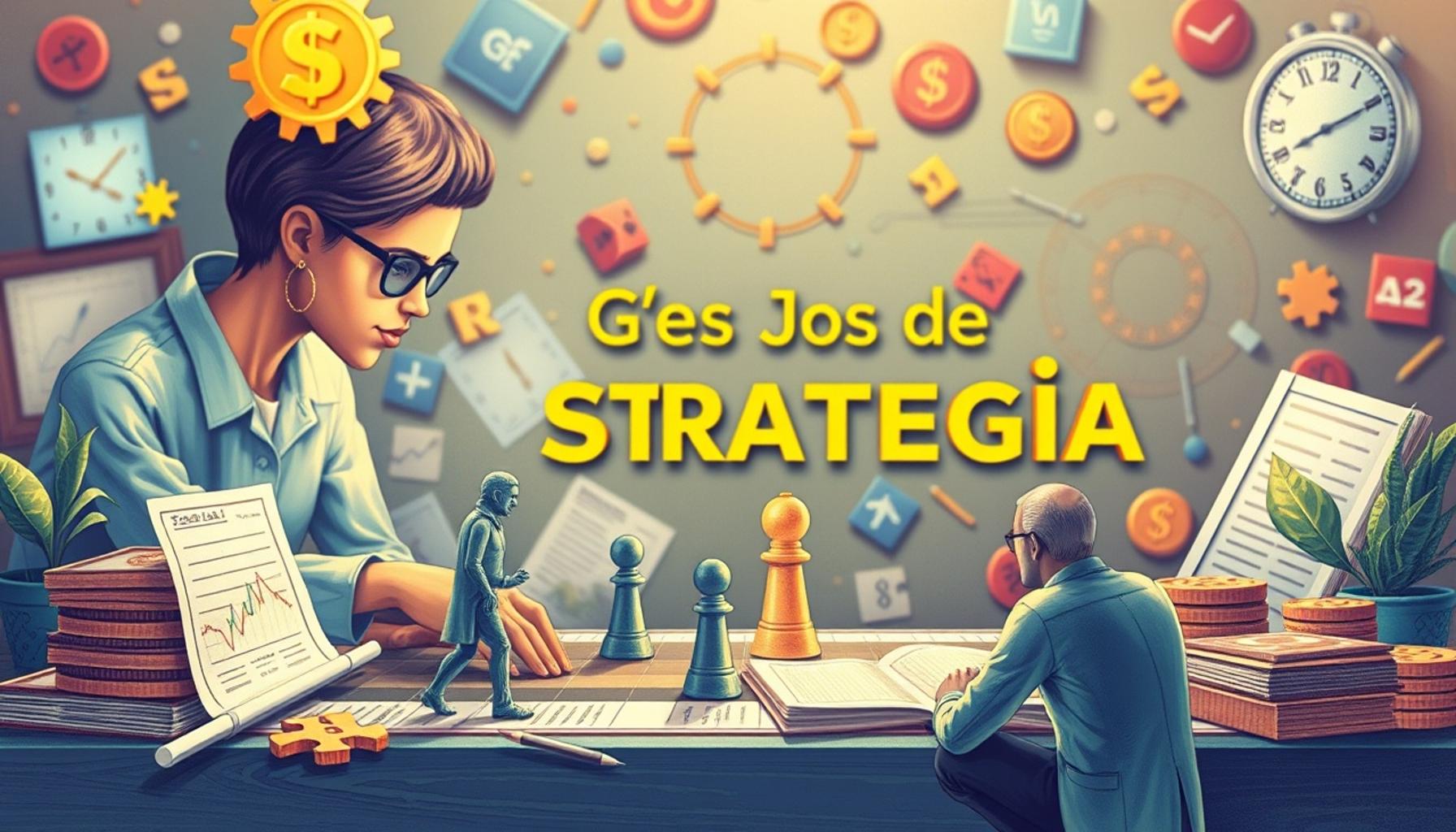
The Influence of Mind Games on Mental Agility: Stimulating Creativity and Innovation Through Logical Challenges

The Cognitive Revolution spurred by Mind Games
In a world driven by innovation and speed, mental agility has become a crucial skill. The ability to think quickly and creatively not only sets individuals apart but also shapes the future of entire industries. Mind games, often underestimated, possess the remarkable potential to enhance this cognitive flexibility and stimulate creative thinking. From casual puzzles to competitive strategy games, the diversity in these activities offers something valuable for everyone.
Engaging with mind games provides an array of benefits, making them an indispensable tool for personal and professional development. Consider the key advantages these games offer:
- Improved Problem-Solving: Engaging with puzzles and strategy games encourages deeper analytical thinking. For instance, solving sudoku or tackling chess strategies develops a player’s ability to break down complex problems into manageable parts, enhancing their decision-making skills.
- Enhanced Creativity: Logical challenges create an environment where unconventional ideas can flourish. Games like Scrabble and crossword puzzles compel players to think outside the box as they explore diverse vocabulary and concepts, promoting innovative thinking.
- Increased Focus: Regular practice in mind games sharpens attention, making it easier to tackle complex tasks. Games that require concentration, such as card games or board games like Ludo, help in training the brain to maintain focus over extended periods, a skill invaluable in academic and work settings.
In Nigeria, the popularity of games like Drafts and Chess illustrates the cultural significance of strategic play. These games not only entertain but also provide a foundation for developing critical thinking skills necessary in today’s competitive landscape. The emergence of chess clubs in schools across Nigeria, alongside community tournaments, is a testament to how these games empower youth to think strategically and responsibly. Moreover, popular TV shows and competitions focusing on these mind games serve to further motivate players of all ages.
With a growing awareness of the cognitive benefits of mind games, it is important to explore and harness their full potential. Educational institutions and corporate environments are beginning to implement game-based learning and team-building activities that leverage these principles, thereby nurturing creativity and innovation. Understanding the connections between mind games, mental agility, and creativity can provide valuable insights into cultivating the thinkers and leaders of tomorrow.
This article will delve deeper into the profound effects of mind games on cognitive functions, showcasing how individuals and organizations can adopt effective strategies to unlock their creative potential. By encouraging engagement with these games, we can build a robust foundation for a more innovative future, aligning with Nigeria’s aspirations for growth and development.
CHECK OUT: Click here to explore more
The Cognitive Mechanics Behind Mind Games
Mind games not only serve as entertainment but also function as exceptional tools for enhancing mental agility. When individuals engage in these games, they activate various cognitive processes that are essential for effective problem-solving and innovative thinking. Research shows that challenging the brain with logical puzzles can stimulate neural pathways, encouraging greater connectivity and efficiency in cognitive functioning.
One illuminating study published in the journal Cognitive Psychology revealed that participants who regularly played strategy games exhibited faster decision-making skills and improved memory retention compared to those who did not participate in such activities. This finding underscores the potential of logical games as a means for cultivating a sharper mind and enhancing the capacity for creative thought.
Understanding how mind games influence creativity and innovation requires a closer examination of the types of cognitive skills they engage:
- Analytical Thinking: Games such as chess and bridge compel players to evaluate countless possible moves and counters, sharpening their analytical skills. As players navigate through their strategies, they subconsciously enhance their capacity to assess situations critically.
- Pattern Recognition: Puzzles like jigsaw or logic grid challenges foster an acute sense for recognizing patterns, a skill that is invaluable in various fields, from science to art. This ability to identify connections between seemingly disparate concepts can lead to groundbreaking ideas and solutions.
- Adaptability: The dynamic nature of mind games teaches players to adapt their strategies based on their opponents’ actions. This flexibility in thought is crucial for personal and professional growth, allowing individuals to pivot and innovate when faced with new challenges.
In Nigeria, local mind games effectively tap into cultural traditions and the communal spirit of learning. Board games like Ayo and Dam are not just pastimes; they serve as platforms for intellectual engagement and community bonding. These games reinforce traditional values while fostering critical thinking among the youth, making them valuable educational tools in schools and community centers.
Moreover, the incorporation of mind games into the Nigerian educational curriculum is gradually gaining traction. Schools are beginning to recognize the importance of engaging students in activities that not only entertain but also develop their mental faculties. Studies conducted in various educational environments reveal that students who participate in mind games demonstrate improved grades and higher levels of engagement in academic pursuits.
As we further explore the intersection of mind games and mental agility, it becomes increasingly evident that fostering creativity and innovation through these logical challenges is not merely an individual benefit but a collective societal value. By empowering students, professionals, and communities to engage with these cognitive activities, we pave the way for a brighter, more innovative future in Nigeria and beyond.
| Advantage | Description |
|---|---|
| Enhanced Problem-Solving Skills | Engaging in mind games significantly boosts your ability to analyze and tackle problems effectively, promoting a sharper mental acuity. |
| Increased Creative Thinking | Logical challenges stimulate creative processes, enhancing your capacity to generate innovative ideas and solutions. |
Delving into the realm of mind games reveals a fascinating intersection of mental agility and creativity. Engaging with puzzles or strategies requires not only logical assessment but also an imaginative approach, allowing individuals to break free from conventional thought patterns. Various studies have indicated that the consistent practice of these activities can lead to significant advancements in cognitive flexibility. This flexibility is essential, especially in a rapidly changing world that demands adaptability and original thought.Furthermore, logical challenges promote a sense of achievement when solved, motivating players to tackle even tougher enigmas. This sense of accomplishment enhances self-esteem and encourages continuous learning. Additionally, mind games enrich social connections, as they are often shared experiences with friends or family, fostering collaboration and communication skills while navigating complex scenarios together.These advantages highlight the transformative potential of mind games in developing not just a quick mind, but also a creative one, leading to a more innovative and open-minded approach to everyday challenges. Engaging regularly with these games not only nurtures individual cognitive abilities but also prepares one to face real-world obstacles with enhanced confidence and ingenuity.
LEARN MORE: This related article may interest you
Mind Games as Tools for Social Development and Team Building
Beyond individual cognitive enhancement, mind games play a significant role in promoting social development and enhancing teamwork. In Nigeria, where collaborative efforts are fundamental to progress, engaging in mind games can foster better communication and problem-solving skills among participants. Group activities involving strategic board games and team-oriented puzzles encourage a spirit of cooperation, pushing individuals to work collectively towards achieving common goals.
An example of this can be observed in community initiatives that utilize games like Ayo or Ludo as a means of bringing together people from diverse backgrounds. By participating in such activities, players cultivate mutual respect and understanding, which are vital for fostering innovation. The negotiation and dialogue required in these settings not only sharpen mental agility but also deepen interpersonal connections, thus creating a more harmonious society.
Research has shown that teams engaging in structured mind game activities exhibit remarkable improvements in their ability to brainstorm and innovate. A report by the Nigerian Journal of Educational Research highlighted that team-building exercises incorporating strategic thinking games led to a 30% increase in idea generation during brainstorming sessions. This statistic is a testament to the profound impact that shared cognitive challenges can have on creativity and collaboration within groups.
Furthermore, the adaptability learned through mind games can be critical in various professional settings. The fast-paced nature of industries like technology and finance demands quick thinking and flexibility. By using mind challenges to prepare employees for real-world scenarios, organizations can build a workforce that is not only mentally agile but also capable of approaching problems from multiple perspectives. For instance, major companies are increasingly incorporating escape room challenges as part of their training programs, where teams must collaborate under pressure to solve puzzles, showcasing the effectiveness of this approach.
- Enhanced Communication Skills: Playing mind games requires players to articulate their thoughts clearly and listen to their teammates, thus improving overall communication proficiency.
- Conflict Resolution: Engaging in competitive yet friendly environments encourages players to address and resolve disagreements constructively, building essential conflict resolution skills.
- Creative Problem Solving: Teams that engage in challenges develop a repertoire of strategies to overcome obstacles, enhancing their ability to think outside the box and generate innovative ideas.
The proliferation of mind games throughout educational and corporate sectors in Nigeria signifies a cultural shift towards recognizing the importance of cognitive engagement. Additionally, nonprofits and educational institutions are developing programs that incorporate local games into curriculums and training, establishing a framework in which mental agility can thrive within the community context. This wave of awareness is not only beneficial for individual knowledge but also essential for nurturing a generation of innovative thinkers who can contribute meaningfully to the nation’s growth.
In this light, the integration of mind games into daily routines and institutional strategies can serve as a catalyst for societal advancement, highlighting the interconnectedness of mental agility, creativity, and community development. As more individuals and organizations harness this potential, the future of creativity and innovation in Nigeria appears promising, underscoring the significance of logical challenges in shaping a vibrant and progressive society.
LEARN MORE: This related article may interest you
Conclusion
In a rapidly evolving world, where creativity and innovation serve as cornerstones for social and economic progress, the role of mind games cannot be overstated. These engaging activities not only sharpen mental agility but also serve as powerful tools for fostering collaboration and communication among individuals. As we have explored throughout this article, mind games such as Ayo and Ludo have shown remarkable potential in promoting social cohesion, especially in diverse communities like Nigeria, where collective success is paramount.
Furthermore, the empirical evidence presented underscores that structured mind games enhance teams’ brainstorming capabilities significantly. By nurturing skills such as strategic thinking, conflict resolution, and creative problem solving, we can cultivate an innovative workforce ready to tackle the multifaceted challenges of modern industries. Embedding mind games into both educational systems and corporate training programs stands to benefit not only individual participants but also the wider society, paving the way for a generation of ingenious thinkers.
As Nigeria strides towards socio-economic development, embracing the advantages of mental challenges can offer unprecedented opportunities for both personal growth and societal transformation. By fostering a culture that prioritizes cognitive engagement through mind games, we equip ourselves with the tools necessary for envisioning and realizing a dynamic future. To fully capitalize on this potential, let us advocate for the systematic incorporation of mind games into our daily practices, thereby championing the ongoing journey of mental agility and innovation for all.

Inara
Beatriz Johnson is a seasoned pet care expert and writer with a passion for simplifying the complexities of pet ownership and animal well-being. With over a decade of experience in the field, she specializes in topics like pet nutrition, training techniques, and health care. Through her work on our website, Beatriz empowers pet owners to make informed decisions and provide the best possible care for their furry friends, ensuring happy and healthy lives for their beloved companions.