The Power of Strategy Games: Stimulating Creativity and Lateral Thinking Through Puzzles and Riddles
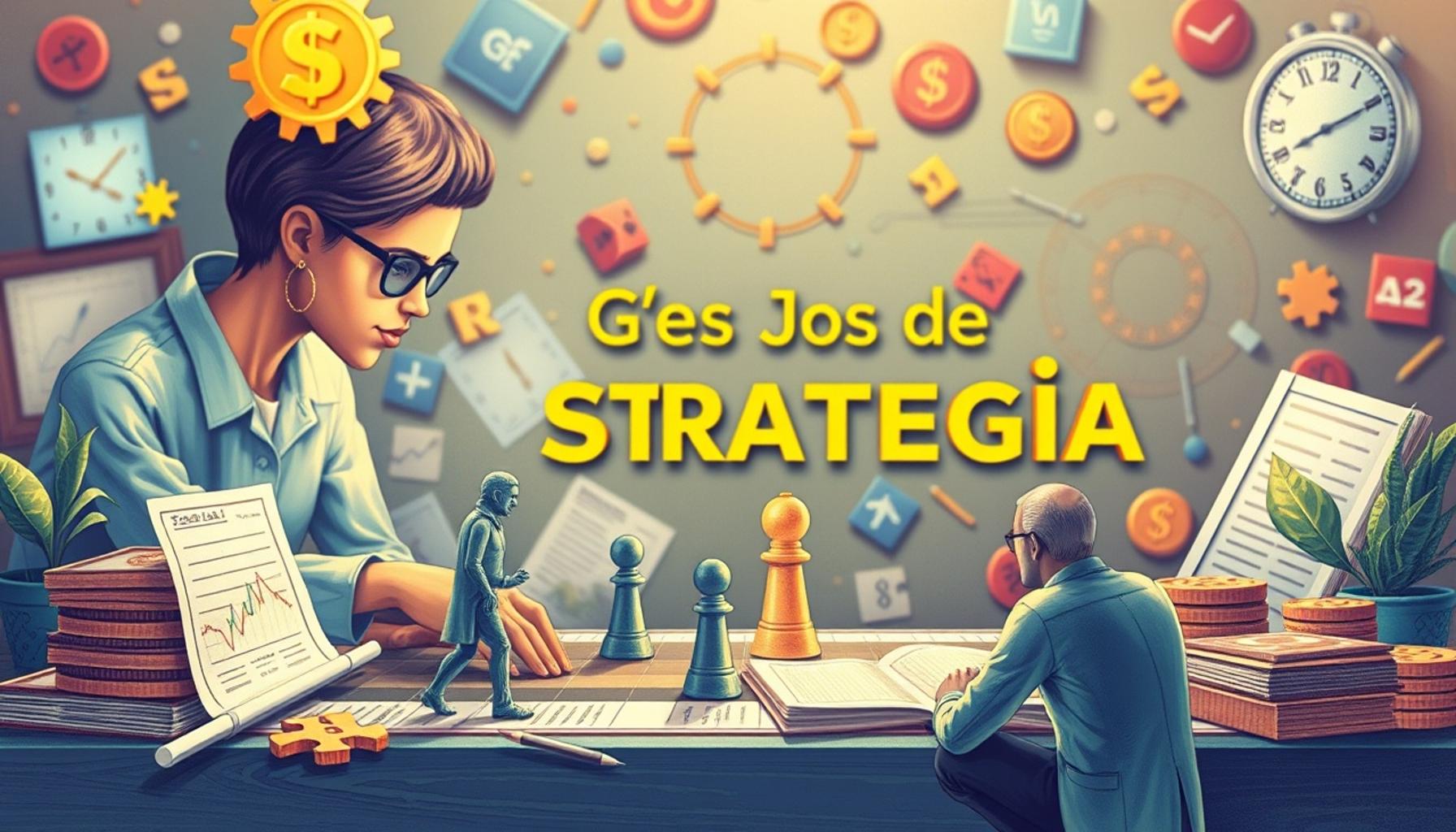
The Transformative Power of Strategy Games
In an era where our lives are heavily influenced by technology, the charm of strategy games emerges as a refreshing reminder of our mind’s creative prowess. Engaging with these games—ranging from timeless board games to complex online puzzles—offers more than mere entertainment. They act as excellent platforms for developing essential cognitive skills, helping players navigate the intricate landscapes of modern life.
Participating in strategy games has numerous tangible benefits that can be influential across various aspects of life.
- Improved Problem-Solving Skills: Many strategy games present players with a myriad of challenges. For example, in games like Chess, players must anticipate their opponent’s moves and formulate a counter-strategy. This need for quick thinking and adaptability not only hones strategic decision-making but also incubates resilience when faced with unforeseen setbacks.
- Enhanced Creativity: Creativity flourishes in the face of competition and innovation. Whether you’re plotting a new route in a game of Monopoly or devising an unconventional approach to winning in Ayo, players learn to think outside the box. Such creativity can easily translate into real-world problem-solving, whether in academic settings or workplace challenges.
- Collaboration and Communication: Many strategy games require players to form alliances to succeed. In Nigeria, for example, playing games like Ludo often becomes a social event where family and friends gather, building camaraderie and enhancing communication skills. The ability to negotiate, collaborate, and articulate strategies fosters stronger interpersonal relationships.
In Nigeria, traditional games such as Ludo and Ayo are deeply woven into the cultural fabric, serving dual purposes. Not only do these games entertain, but they also cultivate critical thinking and strategic insight among players of all ages. The lively social interactions that accompany these games further magnify their benefits, making them invaluable tools for education and relationship-building.
Furthermore, the intersection of puzzles and riddles into one’s gaming portfolio can significantly enhance cognitive development. These activities challenge the mind to focus and engage in lateral thinking, encouraging players to consider multiple perspectives and solutions. As puzzle enthusiasts may attest, things like Sudoku or logic puzzles can reinforce mathematical reasoning and pattern recognition, essential skills in both personal and professional realms.
As we explore the expansive universe of strategy games, one cannot overlook their profound ability to reshape our mental processes. From fostering creativity to sharpening strategic thinking, these games offer crucial advantages that everyone, especially youth in Nigeria, can benefit from immensely. Immerse yourself in this world and discover how playing can reinvent your approach to challenges, sparking new ideas and strategies.
LEARN MORE: This related article may interest you
Unlocking the Mind: The Cognitive Benefits of Strategy Games
As the world becomes increasingly digital, the allure of strategy games persists, offering a unique blend of challenge and entertainment that goes beyond simple pastimes. In Nigeria, traditional games like Ludo and Ayo are not just leisurely activities; they are age-old practices that sharpen our minds, instill patience, and enhance creative thinking. Engaging in these time-honored games can stimulate both cognitive and social capabilities, transcending the boundaries of age and experience.
The essence of strategic play lies in its complexity, where participants must navigate an array of possibilities. Here are several key cognitive benefits of strategy games:
- Critical Thinking Enhancement: Playing strategy games necessitates a keen analytical mind. For instance, while playing Ludo, a player must assess the best moves while anticipating opponents’ strategies. This iterative process nurtures critical thinking skills that apply to real-life scenarios, from making investment decisions to tackling academic challenges.
- Boosted Memory and Concentration: Remembering the positions of pieces in a game like Chess or tracking the moves in Snakes and Ladders strengthens memory retention. The requirement to engage in sustained attention directly contributes to improved concentration, which is invaluable in today’s fast-paced world.
- Promotion of Lateral Thinking: Engaging with games often requires players to devise unconventional solutions. For example, players must approach puzzles differently in games like Sudoku, where the path to success may be hidden behind misinterpreted patterns. This ability to shift perspectives—often referred to as lateral thinking—can lead to innovative solutions in everyday problems.
Moreover, the integration of puzzles and riddles into gaming elevates the cognitive experience even further. Activities that require players to decode or solve conundrums not only augment entertainment but also foster deep cognitive engagement. For instance, engaging with logic puzzles can enhance mathematical skills and promote structured thinking, essential qualities for students and professionals alike in Nigeria’s diverse fields.
The manifestation of these cognitive skills is not only confined to individual play; strategy games can foster a communal atmosphere. As friends and family gather around a table to enjoy a game, they engage in discussions and iterations that enhance social skills and collaborative problem-solving. This community aspect is particularly vital in a country where interactive social gatherings are a cultural hallmark.
In summary, the world of strategy games opens up vast realms of possibilities for improving creativity and lateral thinking. By participating in these games, individuals not only entertain themselves but also gradually equip themselves with these essential skills. As we delve deeper into the transformative potential of strategy games, we uncover countless opportunities for growth and development—both individually and collectively.
| Advantage | Description |
|---|---|
| Enhances Problem-Solving Skills | Strategy games challenge players to think critically and resolve complex problems, encouraging a proactive approach to obstacles. |
| Fosters Creativity | Engagement with puzzles and riddles stimulates the brain’s creative processes, allowing players to devise innovative solutions and approaches. |
The allure of strategy games extends far beyond mere entertainment; they serve as powerful tools in developing essential cognitive abilities. One significant advantage is that they enhance problem-solving skills. Players become adept at identifying the root of issues and brainstorming potential solutions, a skill that translates into real-world scenarios. This level of engagement cultivates a proactive mindset, essential for both personal and professional challenges.In addition, strategy games foster creativity, as they require players to think outside the box. By navigating puzzles and riddles, individuals are encouraged to explore unconventional solutions. This process not only keeps the mind agile but enriches one’s ability to approach various tasks with a fresh perspective. Embracing such games can truly transform your thought processes and open the door to innovative thinking.
CHECK OUT: Click here to explore more
Exploring the Depths: Creative Problem-Solving and Strategy Games
In addition to enhancing cognitive skills, strategy games stand as remarkable tools for fostering creative problem-solving abilities. As players dive into the intricate mechanics of these games, they learn to navigate constraints and think outside the box. For instance, games like Scrabble not only challenge players to construct words but also compel them to leverage their existing vocabulary creatively. This lexical play cultivates one’s ability to communicate effectively, an essential skill in both formal and informal settings.
Furthermore, the role of teamwork in many strategy-based games cannot be overstated. Multiplayer games, such as Monopoly or the cultural staple Ajegunle, require players to cooperate and strategize collectively. This cooperation translates into societal advantages, encouraging collaboration and boosting creativity. Such games create an atmosphere where players share ideas and negotiate, which hones their ability to identify and utilize diverse perspectives. The ability to adopt various viewpoints is crucial in Nigeria’s multi-faceted society, where individuals must often collaborate in mixed environments.
Furthermore, integrating puzzles and riddles into gaming not only enriches the experience but also promotes an essential trait often overlooked in traditional education—curiosity. Games that feature incremental puzzles, such as Crosswords or logic puzzles, pose questions that spark curiosity and urge players to seek answers beyond the surface level. This quest for understanding breeds a mindset that is open to exploration and persistent inquiry, qualities that can significantly aid in academic and professional success.
In Nigeria, where rich folklore serves as an inspiration for many traditional games, incorporating riddles into cultural storytelling can rekindle a sense of heritage while enhancing mental agility. For instance, playing games like Whot fosters the ability to think on one’s feet, as players must adapt to changing rules and strategies within the game’s framework. This aligns perfectly with traditional riddles that often challenge participants to think laterally, thereby reinforcing their cognitive flexibility.
A vital aspect of strategy games worth noting is their ability to introduce mathematical concepts in a playful manner. Board games often involve resource management, budgeting, and probability assessments, nudging players towards basic financial literacy. A game such as Settlers of Catan demonstrates this by integrating resource allocation and trading, teaching players to manage assets effectively—skills that are invaluable in Nigeria’s growing entrepreneurial landscape.
Moreover, recent studies indicate that engaging in strategy games positively correlates with improved emotional intelligence. Players in collaborative settings learn to interpret emotional cues, enhancing their ability to empathize with others—an essential trait in building strong professional and personal relationships. The importance of emotional intelligence in the workplace is increasingly recognized, particularly in environments that value teamwork and collaboration. By navigating the nuanced interactions that games present, players can develop a deeper understanding of group dynamics.
Thus, strategy games serve dual purposes: they are not only entertainment but are also instrumental in developing creativity, lateral thinking, and social skills. Within the vibrant context of Nigerian culture, these games offer a wealth of opportunities for personal and collective growth, enriching the tapestry of mental and social development.
ADDITIONAL INSIGHTS: Expand your understanding here
In Conclusion: Unlocking Potential Through Strategy Games
In summary, the exploration of strategy games reveals their profound impact on cognitive development, creative problem-solving, and emotional intelligence. These games, far from being mere pastimes, are powerful instruments that stimulate creativity and foster lateral thinking through engaging puzzles and riddles. By pushing players to navigate complexities and collaborate with others, they help hone essential skills such as communication, negotiation, and adaptability—all of which are vital in today’s dynamic work and social environments.
Moreover, the integration of traditional Nigerian games enriches the experience by intertwining cultural heritage with modern skill development. Games like Whot and riddles steeped in folklore serve to promote critical thinking while keeping the rich tapestry of Nigerian culture alive. As these games continue to evolve, they present exciting opportunities for personal growth, community cohesion, and even entrepreneurial pursuits, particularly in Nigeria’s burgeoning market.
As we consider the role of strategy games in our lives, we are encouraged to dive deeper—exploring not just entertainment value but the countless lessons they offer in creativity, communication, and collaboration. For educators, parents, and policy-makers, recognizing the potential of these games as learning tools can lead to a more enriched and curious society, equipped to tackle future challenges with innovative solutions. Ultimately, the road to unlocking our full potential may just lie in a game board, a puzzle, or a collective problem to solve.

Inara
Beatriz Johnson is a seasoned pet care expert and writer with a passion for simplifying the complexities of pet ownership and animal well-being. With over a decade of experience in the field, she specializes in topics like pet nutrition, training techniques, and health care. Through her work on our website, Beatriz empowers pet owners to make informed decisions and provide the best possible care for their furry friends, ensuring happy and healthy lives for their beloved companions.